▪️While swimming expands, slashing of weight classes in boxing hurts developing nations. It has to be stopped now!
July 22, 2026
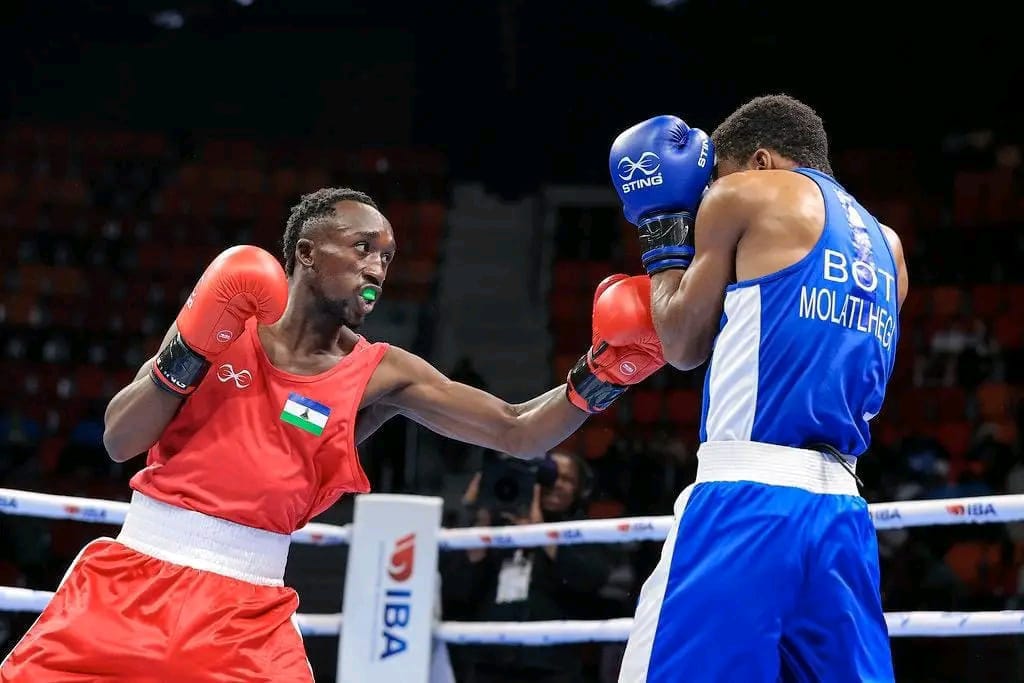
The outspoken frustration of the 48kg Lesotho renowned boxer, Retsilisitsoe Kolobe Matshili, over the reduction of boxing weight categories to seven for men and women at the Glasgow 2026 Commonwealth Games highlights the mounting anger within the combat sports community.
In an interview with Africa’s authoritative boxing website, boxersworld.co.ke, Matshili accused the IOC and CGF of blatant discrimination and lack of fairplay.
The decision to implement exactly seven weight classes for both male and female divisions was driven by a push for gender parity and to align with the International Olympic Committee’s blueprint for the 2028 Olympic Games.
However, for boxers in historically vibrant divisions—especially in the lighter brackets like the 48kg class in Africa—this mandates severe cuts, changes in weight class, or total exclusion from the Commonwealth Games altogether.
Critics point out that the International Boxing Association (IBA) manages and hosts Men’s and Women’s World Championships with 25 combined weight categories with great success. Boxers and analysts argue that this expansive format gives more boxers an opportunity to display their talents on the world stage without forced qualifiers or drastic weight cutting. So, why can’t IOC and CGF – with several sponsors on board – emulate IBA?
The transition of the boxing tournament in Glasgow to be overseen by World Boxing—the body provisionally recognized by the IOC to govern the sport within the Olympic movement—has brought these differing philosophies to a head.
For federations relying on full Olympic-style brackets, the restriction is viewed by many as an administrative bottleneck.
And some IOC affiliates in Africa have implemented these changes with a lot of malice. Take for instance Kenya and Tanzanian boxing teams having one coach only!! Do they know the role of coaches in major Games?
Are there double standards with swimming and athletics? Why cut down boxing weight categories and the same is not done for swimming and athletics?
The most resonant point from the Lesotho boxer’s critique is the perceived double standards.
Boxing, alongside athletics, remains one of the absolute biggest crowd-pullers at the Games. Yet, CGF and IOC regulations often trim boxing brackets and quota spots in the name of cost-cutting and streamlining, while athletics and swimming continue to boast extensive event rosters and medal opportunities for essentially the same core athletes.
Sports purists argue this selective tightening unfairly marginalizes a working-class sport that historically yields vital medals for smaller nations. For many fighters, the reduction to 14 total divisions (seven for each gender) feels less like structural necessity and more like selective pruning. If these multi-sport governing bodies intend to de-emphasize boxing, fighters argue it should be communicated clearly and fairly, rather than heavily restricting the opportunities for athletes who have dedicated their lives to the ring.
And if IOC are fed up of boxing in their events, let them remove it eternally instead of this nonsense on weight reductions.
Over to you IOC President Kirsty Coventry. We know you were a great swimmer representing Zimbabwe successfully at the Olympic Games. I was with you at the 2004 Athens Olympics and salute you for your achievements.
Refuse to be arm-twisted and take a firm stand to benefit African boxers. We are watching closely.
Interestingly, there’s still nothing much at stake in the Commonwealth and Olympic Games for athletes other than medals only. In this modern age of commercialisation in sports, prize money is the in-thing. Sportsmen/women can’t eat medals and bygone prestige of these Games.
boxersworld.co.ke