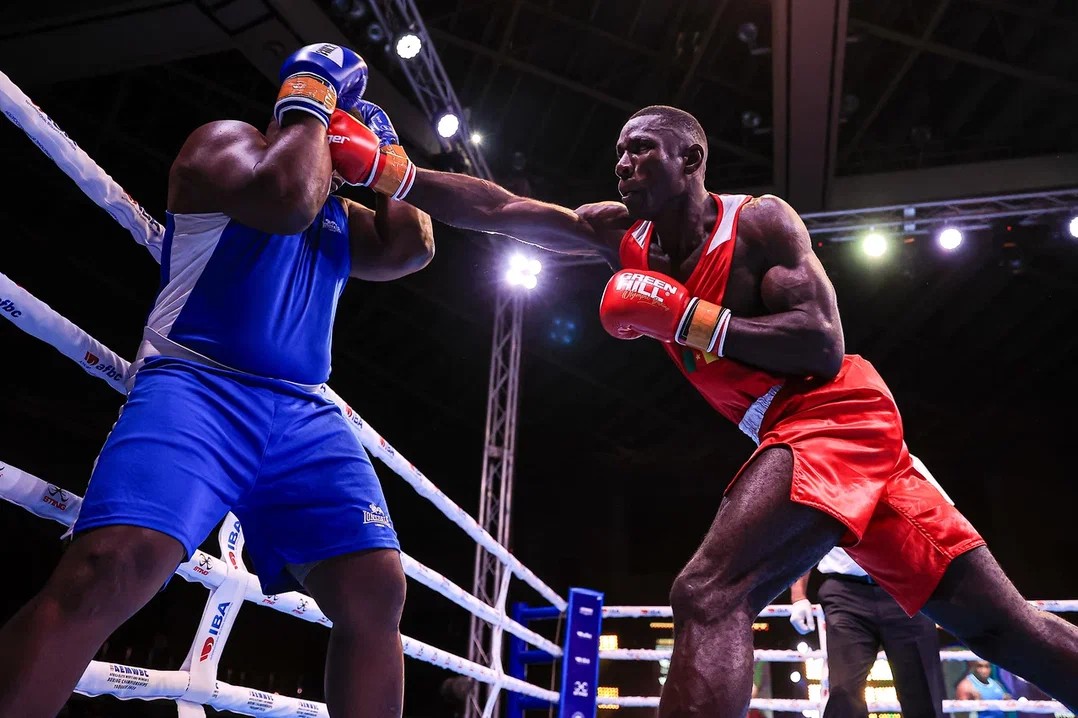
▪️Boxers have historically struggled to adapt to the art of scoring points compared to European, Asian and American boxers. They land shots some of which do not translate into points, using unnecessary power against their technically superior opponents
April 21, 2026
Africa’s technical undoing in boxing stems from a combination of outdated training methods, lack of exposure to modern scoring systems, and inadequate infrastructure compared to international counterparts.
Despite producing immense natural talent, many African boxers struggle at elite levels due to technical and tactical shortcomings.
Key Technical and Tactical Shortcomings: Focus on Power Over Technique
African boxers often prefer to land strong, isolated blows, while modern international boxing favors speed, high volume of punches per minute, and combinations.
Lack of Ring Craft and Movement
There is a noted deficiency in mastering footwork, movement and coordination between different parts of the body.
Poor Management of Early Rounds
Many fighters struggle with, or fail to start strong in, the first round, often putting them at a significant point deficit early in, for example, World Championship bouts.
Inability to Adapt to Scoring Trends
Boxers have historically struggled to adapt to the art of scoring points compared to European, Asian and American boxers. They land shots that do not translate into points, particularly when competing against more experienced European or American opponents.
Structural and Educational Issues: Unqualified Coaching Personnel
Many local boxing clubs, particularly in developing areas, are run by individuals with limited formal training or technical experience. This mostly happens at the rudimentary stage where the basics are not properly taught to the newcomers not to mention a tendency by some coaches to rush boxers to spar when they have not mastered other basics eg throwing a jab. This is a critical area that has to be addressed urgently. Once the basics are not well disseminated, a boxer is half-baked.
Lack of exposure
A shortage of international friendlies and tournaments prevents boxers from gaining the necessary experience and ring craft to compete at the Olympic or world level.
Neglect of Education & Development
Development programs for coaches, referees, and judges are frequently overlooked, holding back the overall tactical development of the sport.
Lack of Sponsorship/Resources
Poor funding and sponsorship, particularly in amateur leagues limits the ability to train for international standards. There’s need for NFs to source for funding to improve on their local tournaments because the government and the international bodies cannot do everything for them. Improving means introducing cash incentives to inspire the boxers especially in this era of commercialisation in sports.
North vs Sub-Saharan Africa
While North African boxers often have better exposure and better performances, they have still, at times, suffered from similar technical gaps when compared to the highest international standards.
Attempts at Improvement on Grassroots Development
Initiatives like Kenya’s “Ndondi Mashinani” aim to take boxing to the local level to uncover and train talent early from the grassroots. However, such initiatives are most of the time hampered by inadequate funding to achieve the desired results.
Updated Tactics
Coaches are increasingly trying to address the need for improved speed, movement, and punch volume to align with modern, fast-paced tournament formats but at times the boxers themselves become the problem in failure to grasp what they’re taught while others once in the ring they panic, completely forgetting what the coaches taught them in the gym.
Challenges in Modernizing
Infrastructure
A critical lack of modern training facilities prevents effective training in new techniques. Interestingly, some of Africa’s top boxers such as Kenya’s two-time Olympic medallist Philip Waruinge, 1978 world champion Steve Muchoki, Seoul Olympic gold medallist Robert Wangila, Uganda’s former world champ Ayub Kalule, Ghana’s ex-WBC champ Azumah Nelson, Nigeria’s Hogan “Kid” Bassey, 1978 world champ Davidson Andeh and Dick Tiger conquered the world despite training and preparing for major events in gyms which lacked modern equipment. Here we can argue there’s that breed of boxers who were naturally gifted in boxing and even excelled in overseas tournaments with minimal exposure. This breed is rare these days.
Administrative Hurdles
Delays in organizing regular, high-quality continental competitions hinder progress but from what we’ve seen there’s another hurdle: even if tournaments in Africa are increased, attendance will not rise owing to insufficient funding to enable teams travel for these tournaments as a result of inadequate funding from their respective governments which just fund travel and accommodation but don’t bother on preparations. Unless African governments invest on thorough preparation of their teams and regular exposure, their boxers will find it difficult to excel in global championships and at the Olympics not to mention proper diet. It’s important for African teams to have nutritionists and psychologists in their teams especially during preparations.
Research, media and statistics
While boxing federations in the West and other continents are very serious on research, engaging the media and statistics, in most African countries this is an area neglected since time immemorial and it’s difficult to change the mindset of some of them now owing to little commitment on those charged with managing the sport. The media is a crucial component for boxing’s progress. This is where the International Boxing Association (IBA) stands heads and shoulders above most sports organisations in the world for recognizing the media as an important development partner especially digital media in this modern era of digitization.
Obsession for power at the expense of developing boxers
This is another big hurdle facing African boxing. Some administrators are just hungry for power but don’t bother on what it takes to develop their boxers to world class level with some of them feeling they’re more important than the boxers. Yet even when they have that power, they just become drunk with it but do very little to improve the sport. Their power struggle creates camps and hatred, thus wasting a lot of time gossiping and plotting for the downfall of their perceived enemies and ridiculing those in power instead of joining hands to focus on important progressive issues collectively. Others will spend most of their time yapping on social media platforms without any concrete agenda on boxing development. Their passion and genuine love for boxing is artificial, and this further compounds Africa’s development agenda in boxing.