














Home Blog Page 6

FROM HAVANA 1974: THE STORY BEHIND INTERNATIONAL BOXING DAY

0

August 27, 2026

From Havana 1974 to today: the story behind International Boxing Day

Every year on 27 August, the global boxing community comes together to celebrate International Boxing Day – a date connecting the sport’s present with one of the defining milestones in its history.

International Boxing Day was first launched in Russia in 2017 on the initiative of Umar Kremlev, then Secretary General of the Russian Boxing Federation. Two years later, it was recognised internationally by the Association, quickly becoming an annual celebration for boxers, coaches, officials, National Federations, and fans around the world.

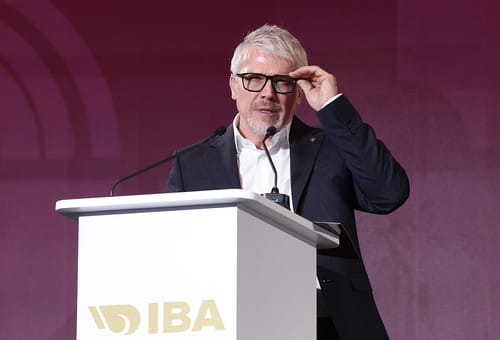
Umar Kremlev, IBA President:

“I congratulate everyone on International Boxing Day and wish you every success in sport. IBA is the international home of boxing! Simply by taking up boxing, you are already a winner. Boxing is the flagship of sport, the foundation of the Olympic and professional movements.

I am truly proud and grateful that, even in difficult times, boxers demonstrated their independence, stood up for athletes’ rights, kept boxing in the Olympics, and defended their interests on the international stage. It is always the athletes who stand on the podium, but the coaches and the athletes themselves are the ones who matter most. It is thanks to them that this beautiful sport exists. In sorrow and in joy, boxers are always there for one another.

Boxing is the only sport that sets an example for others. I wish good health and success to the whole boxing family and to boxing fans everywhere. Happy holiday to everyone!”

In 2021, the date was moved from 22 July to 27 August to establish a direct historical link with the first Men’s World Boxing Championships, staged in Havana, Cuba, from 17 to 30 August 1974.

More than half a century later, that inaugural tournament remains a landmark moment for international boxing.

Havana creates a new stage for the world’s best.

Before 1974, the Olympic Games served as the principal global stage on which boxers from different continents met. Continental championships offered vital competition, but there had never been a dedicated World Championships bringing the planet’s leading amateur boxers under one roof.

That changed in Havana.

The inaugural Men’s World Boxing Championships took place at the Coliseo de la Ciudad Deportiva in the Cuban capital. Boxers representing 45 nations travelled to compete, with world titles contested across 11 weight categories and 17 countries securing medals.

For the host nation, the tournament served as an early showcase of a boxing tradition that would shape the sport for generations. Cuba topped the medal table with five world champions.

Stevenson leads a generation of champions

Among the home winners was Teófilo Stevenson, already the reigning Olympic heavyweight champion following his triumph at Munich 1972.

His victory in Havana marked the first of three World Championship titles in a career that established him as one of the greatest figures in amateur boxing history. Stevenson would go on to claim Olympic gold again at Montreal 1976 and Moscow 1980.

He was joined on the top step of the podium by Cuban teammates Jorge Hernández, Douglas Rodríguez, Emilio Correa, and Rolando Garbey.

Havana, however, was far more than just a Cuban success story. The tournament introduced a remarkable group of fighters whose careers resonated across the sport for decades:

Wilfredo Gómez (Puerto Rico): Won the bantamweight world title at just 17, defeating Cuba’s Luis Jorge Romero in the final before embarking on a legendary professional career.

Howard Davis Jr. (USA): Captured featherweight gold and won the Val Barker Trophy in Havana before winning Olympic gold in Montreal two years later.

Ayub Kalule (Uganda): Defeated Bulgaria’s Vladimir Kolev in the light-welterweight final to become Africa’s first World Boxing Championships gold medallist, later winning the WBA world light-middleweight title as a professional.

Rufat Riskiyev (Soviet Union): Claimed the middleweight crown before taking Olympic silver in 1976.

Mate Parlov (Yugoslavia): Added the world light-heavyweight title to the Olympic gold he won in Munich.

The first 11 world champions

The champions crowned in Havana represented a diverse range of styles and boxing cultures:

48 kg: Jorge Hernández (CUB)

51 kg: Douglas Rodríguez (CUB)

54 kg: Wilfredo Gómez (PUR)

57 kg: Howard Davis Jr. (USA)

60 kg: Vasiliy Solomin (URS)

63.5 kg: Ayub Kalule (UGA)

67 kg: Emilio Correa (CUB)

71 kg: Rolando Garbey (CUB)

75 kg: Rufat Riskiyev (URS)

81 kg: Mate Parlov (YUG)

+81 kg (Heavyweight): Teófilo Stevenson (CUB)

A tournament that became a tradition.

Havana 1974 did not simply add another event to the calendar; it created a new global benchmark.

The World Championships initially ran on a four-year cycle before shifting to a biennial format in 1989. Over the decades, generations of Olympic medalists and future professional undisputed champions have passed through the tournament ring.

For Cuba, the 1974 championships set the foundation for decades of dominance. Following Stevenson’s lead, subsequent eras produced icons such as Félix Savón, cementing the island’s reputation as a powerhouse of the sport.

Havana’s legacy remains core to IBA’s identity. In 2024, International Boxing Day returned to the Cuban capital to celebrate the 50th anniversary of that historic first championship.

From one tournament to a global celebration.

International Boxing Day has undergone its own evolution, expanding from a national initiative into a worldwide event.

Today, National Federations, athletes, coaches, officials, and grassroots clubs across all continents use the day to celebrate boxing in every form — from local community gyms introducing children to the sport to elite competitors on the international stage.

That connection between past and present is especially resonant in 2026.

This year’s theme, “Honouring Our Champions, Inspiring Our Future”, highlights not only elite athletes, but also the coaches, referees, judges, volunteers, and administrators who build opportunities for future generations.

More than 50 years on from Havana 1974, the spirit of that first tournament endures: uniting the global boxing family through competition, discipline, and mutual respect.

“IBA IS THE HOME OF BOXING”: PRESIDENT KREMLEV MARKS INTERNATIONAL BOXING DAY

0

August 27, 2026

Dear friends,

Let me congratulate our entire, great boxing family on International Boxing Day!

This celebration was born in Russia, and today it is marked all over the world. For me, what matters most is seeing our sport grow and develop.

IBA is the home of boxing. It is a great family that brings together people from all over the world. And, most importantly, IBA nurtures true champions: strong, disciplined and self-assured people.

Across the country, we are building Boxing Progress Centres, opening free training sections, and providing children with equipment.

No child should have to give up sport simply because their parents cannot afford to pay for training. Everyone should have the chance to walk into a gym, find their own path, and pursue their dream.

Today, IBA is developing faster than ever. We are building a broad sporting ecosystem: growing IBA.PRO and IBA Bare Knuckle, developing new tournament formats together with NOMAD, launching our own IBA Apparel brand, and creating new opportunities for athletes.

I want to say a special word about IBA JANAMEN. This is a unique project that helps people with critical excess weight change their lives through sport. We want to show that it is never too late to start again, become stronger, and take the first step towards a healthy life.

For us, boxing is about more than medals and victories. It is health, character, discipline, and the chance to become the best version of yourself.

The more children who come into our gyms, and the more people who take up sport, the stronger our great boxing family becomes.

IBA is the home of boxing.

IBA is a great family.

IBA nurtures true champions.

Boxing unites the whole world. And its foundation is IBA.

Umar Kremlev

IBA President

AFRICA’S RISING STAR CLINTON “CANELO” OMONDI IS KENYA’S NEXT BIG THING IN MINIMUMWEIGHT CLASS

0
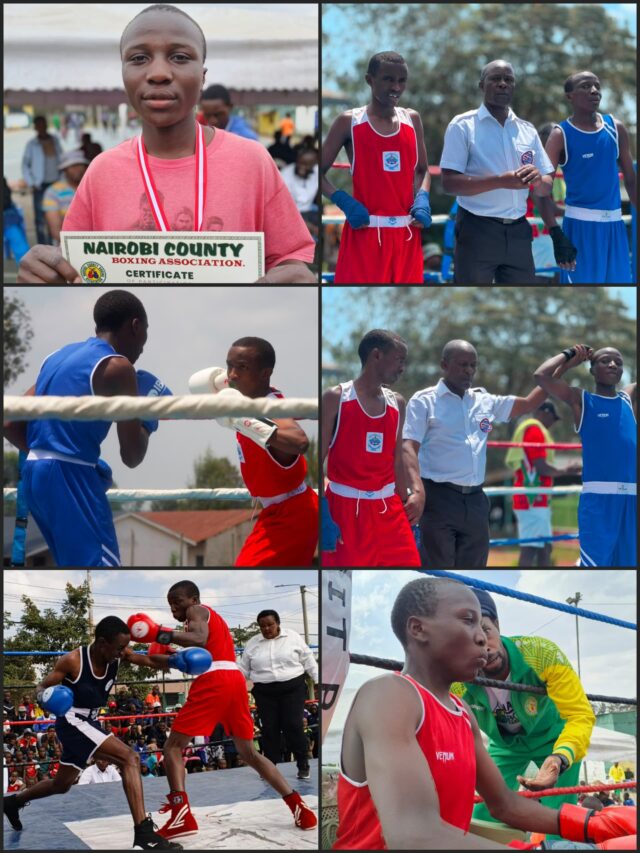
A photo collage of Africa's Rising Star Clinton "Canelo" Omondi. Top left with the certificate he won at the Robert Wangila Memorial Championship. On the right in blue attire Omondi declared the winner over KDF's Abdi Mohammed in the national league in Vihiga. Omondi at the corner receiving tips from coach Mike Mungai in the Wangila Memorial Championships and bottom left Omondi in red vest in action at the Wangila tourney.

▪️The 16-year-old grade nine student at Mbagathi Road Junior Secondary School in Nairobi made a thunderous debut in the Kenya National Boxing League in Vihiga

August 27, 2026

African Youth Games flyweight bronze medallist Clinton “Canelo” Omondi is turning heads and reshaping the future of Kenyan boxing as one of Africa’s Rising Stars from the East African country famed for its boxing prowess.

Omondi is among Kenya’s latest boxing arrivals knocking on the door to stardom. Others are brothers, Ben and Chris Juma, Senegal-bound Ellah Demesi, Phelix Ochieng, Sonia Atieno, Damacline Boyani, southpaw Grace Atieno, Hilal “The Tornado” Mohamed and Good Shepard, another promising minimumweight prospect handled by famous coach John Ochieng aka Chea at Githurai Thailand Boxing Club.

Born and sharpened in the vibrant grassroots boxing culture of Nairobi, Clinton earned his legendary moniker “Canelo” due to his aggressive, counter-punching style reminiscent of the Mexican multi-division world champion. But Omondi is writing his own script on canvas and ropes.

When he stepped onto the continental stage at the Africa Youth Games in Luanda, Angola in 2025, expectations were measured. It was a baptism by fire for the teenage prodigy.

Yet, with a stunning victory over Namibian boxer that booked his ticket to the semi-finals, Omondi silenced the doubters and locked in a historic bronze medal for Kenya. Though he narrowly missed out on the gold after a gritty battle against DR Congo’s Bofenda Mabela, his arrival on the regional scene was undeniable.

Instead of resting on his continental laurels, Omondi has proved his mettle locally. At the recent Robert Wangila Memorial Championships held at the Uhuru Sports Complex in Nairobi, the young phenom outpointed William Malawi to claim the minimumweight title. Fighting in honor of Kenya’s legendary Olympic gold medalist, Robert “Aruba” Wangila, Omondi displayed the poise of a seasoned campaigner, economical with his punches and scoring with clinical efficiency. It therefore came as no surprise when Omondi was named the Best Boxer of the Wangila Memorial Championships.

His next stop was Vihiga in Kenya’s Western Region where Omondi made a thunderous debut in the Kenyan National Boxing League making a bold statement of intent to the big boys in the minimumweight division by clinching a spectacular final victory. Omondi did not just enter the Kenya National Boxing League; he announced his arrival with the force of a thunderbolt.

In a dramatic twist, Omondi defeated his own Kibra Youth Club teammate, Steve Alikiba of Sombea. While both hail from the same club in Nairobi, Alikiba registered for this season’s league representing Sombea of Nakuru. The internal rivalry added more fire to the bout, but Omondi proved too hot to handle, outclassing his teammate to lift the minimumweight title. On his way to the final, Omondi saw off KDF’s Abdi Mohammed who was left wondering what hit him but the Kibra boy had done it and moved on. In their estate lingua they say “alifanya ile kitu.”

The rising star wasted no time celebrating, immediately shifting his focus to the challenge. Proving he is Kenya’s next big thing in the minimumweight category, Omondi laid down an audacious challenge to Silus Onyango, the reigning 2025 Africa Zone 3 champion.

“I don’t fear any opponent in my weight class, let Onyango come I’ll take him head-on,” the 16-year-old Omondi, a grade nine student at Mbagathi Road Junior Secondary, told boxersworld.co.ke in an interview exuding raw confidence ahead of the national league fourth leg in Kisumu, Kenya’s third largest city.

Amidst the vibrant chaos of daily survival in the crowded pathways of Kibra – Africa’s largest informal settlement – there’s a humble dimly-lit structure: the Kibra Youth Club.

Inside, sweat drips onto the floor as youngsters huff and puff aiming to punch their way out of the slums. One of them in the crowded gym is Clinton Omondi, but to the passionate fans of local boxing, he is known by a far more explosive moniker: “Canelo.”

He is back in the gym training hard for his next assignment. Guided by the watchful eye of legendary coach Edward “Dimbuts” Ogweno, Omondi has transformed from a hopeful dreamer into Kenya’s next big thing in the minimumweight division.

Coach Dimbuts has spent years molding raw talent in the heart of the slums, but in Canelo, he has polished a diamond that cuts through the toughest opposition.

“I’m very proud of Omondi’s progress, we’re now focusing on Kisumu and at the same time I encourage him to take his studies seriously,” Ogweno told boxersworld.co.ke

In all his fights, Omondi displays his signature trait: absolute economy of movement. He does not waste energy. He does not throw wild, desperate punches. Instead, he possesses a rare, superb sense of timing. He stalks his opponents, waits for the perfect micro-second, and lands his punches with laser-like target precision.

“In addition to my coach I thank my namesake Paul Omondi aka Lyti, he has given me several tips,” Omondi says, his voice carrying the calm confidence of a natural-born fighter. His mission is crystal clear: he wants to don the sacred national colors of Kenya and secure a future through his fists.

Omondi’s eyes are firmly set on joining an institutional club, specifically the KDF. The drive to join the military is deeply personal. He wants to follow in the footsteps of his Kibra friend, Martha Auma, whose recent recruitment into the KDF has become a massive beacon of hope and a morale booster for every young boxer grinding in the informal settlement.

Every great champion stands on the shoulders of giants, and Omondi finds his daily inspiration in his former clubmate, Paul “Lighty” Omondi. Paul blazed a trail by making his international debut at the 2025 Africa Zone 3 Championships in Nairobi, capturing a proud featherweight bronze medal. He went on to prove his world-class mettle at the Men’s World Championships, defeating a tough opponent from Libya to reach the prestigious Round of 16. And then came the icing on the cake: he landed a job with Kenya Police.

“Omondi senior held my hands and showed me the way. I owe him a lot,” admits the youngster with deep gratitude.

“The hard sparring he used to give me has come in handy in the league because I have learned to withstand punches.”

From the gruelling, unforgiving sparring sessions in a crowded Kibra gym to the roaring crowds of the national league, Clinton “Canelo” Omondi is rising fast. With perfect timing, an iron chin, and an unshakeable spirit, Kibra’s finest is ready to take on the world. His parting shot: See you all in Kisumu.

IBA AND ITA LAUNCH THREE-PART ANTI-DOPING WEBINAR SERIES FOR THE BOXING COMMUNITY

0

▪️“Our commitment to clean sport is absolute. Education remains our most effective tool in safeguarding the integrity of boxing, and through this collaboration with the ITA, we are ensuring that anti-doping guidance is comprehensive, multilingual, and readily available across all our Member Federations,” says IBA Secretary-General & CEO Chris Roberts OBE

August 26th, 2026

A new three-part live webinar series will help athletes, coaches, officials, and Member Federations better understand key anti-doping rules and procedures.

Organised by the International Testing Agency (ITA) on behalf of the International Boxing Association (IBA), the IF Webinar Series 2026 will provide practical guidance on anti-doping topics, including the Prohibited List, medications, Therapeutic Use Exemptions (TUEs), supplements, and testing.

Session 1: “Introduction to Anti-Doping” takes place on Wednesday, 30 September from 14:00 to 15:00 CEST.

Session 2: “The Prohibited List, Medications, TUEs, and Supplements” is scheduled for Wednesday, 7 October from 14:00 to 15:00 CEST.

Session 3: “Testing” concludes the series on Wednesday, 14 October from 14:00 to 15:00 CEST.

Participants must register via the dedicated platform and select the IBA as their International Federation when creating an account to ensure access to the correct content.

“Our commitment to clean sport is absolute. Education remains our most effective tool in safeguarding the integrity of boxing, and through this collaboration with the ITA, we are ensuring that anti-doping guidance is comprehensive, multilingual, and readily available across all our Member Federations.

Empowering our community with the right knowledge is essential to protecting the future and fairness of the sport.” IBA Secretary General and CEO Chris Roberts OBE said

The series will be available in French, Spanish, Russian, Arabic, and Chinese. After selecting the preferred language, participants must confirm their attendance to receive access links. Registered attendees can also export the sessions to their calendars, access a Participant Quick Guide, and complete a brief warm-up test before joining the live broadcast.

Email reminders will be issued ahead of each session. This initiative forms part of ongoing efforts to strengthen anti-doping education and provide the boxing community with clear, practical guidance on clean sport responsibilities.

ISTANBUL CALLING: IBA OPENS NOMINATIONS FOR 2026 ELECTIONS CONGRESS WITH SLIMMED-DOWN BOARD

0

▪️”National Federations can nominate as many people as they want, candidates do not have to belong to the federation that nominates them,” says IBA Secretary-General & CEO Chris Roberts OBE

August 25, 2026

The International Boxing Association (IBA) has officially opened nominations for its Election Congress, scheduled for December 5, 2026, in Istanbul, Turkey.

Announcing this today, the IBA Secretary-General & CEO Chris Roberts OBE, said in a massive shakeup aimed at boosting governance, the IBA is shrinking its Board of Directors from 18 members down to just 13.

“National Federations worldwide are now being urged to put forward their best candidates to shape the future of global boxing,” said Roberts in the letter to all IBA National Federations worldwide.

The upcoming elections will decide the vital leadership roles for the organization:

One (1) President

Twelve (12) Independent Directors (with a strict rule ensuring at least one director represents each continent) in line with Article 24.1 of the Constitution and reduction in size of the IBA Board from 18 members to 13

“National Federations can nominate as many people as they want, candidates do not have to belong to the federation that nominates them,” said Roberts in the letter.

“There is no official female quota, but the IBA is strongly encouraging federations to nominate qualified women.

“For the Independent Director spots, the IBA is searching for experts in finance, marketing, sports science, athlete welfare, or individuals with exceptional sporting ability.”

Roberts stressed the IBA is promising an unprecedented level of due diligence.

“Every single applicant will undergo a comprehensive eligibility assessment. This includes independent background checks run by an external provider.

“Following these strict reviews, the Boxing Independent Integrity Unit (BIIU) Nominations Unit is expected to narrow the field down to a competitive pool of at least 24 top candidates.”

Deadlines & How to Apply

The application process must be completed entirely online through the official portal at IBA 2026 elections – IBA.

“Because of the heavy paperwork and mandatory supporting documents required, applicants are warned to start early,” said Roberts.

Final Application Deadline:

Friday, October 2, 2026, at 18:00 CET.

Official Candidates List Published:

November 16, 2026, at the latest.

For questions regarding the rules, the IBA Constitution, or the Regulations on Congress and Elections, federations can contact the organization directly via email at info@iba.sport.

Roberts went on: “As part of IBA’s commitment to the highest standards of governance, the application process requires careful preparation. Applicants should allow sufficient time to complete the required information and gather all mandatory supporting documents before submitting their application.

“The application process must be completed online at: IBA 2026 elections – IBA

“Should you have any questions at any stage of the electoral process, please do not hesitate to contact us by email at info@iba.sport.

“You may also refer to the IBA Constitution and the Regulations on Congress and Elections, which contain the relevant provisions governing the electoral process.

“National Federations are not limited in the number of nominations they may submit, candidates may be nominated by any National Federation (Article 26.1 of the Constitution), and there is no requirement that a candidate be affiliated with the nominating National Federation.

“While there is no minimum quota for female candidates, National Federations are strongly encouraged to nominate qualified women candidates.

“The final deadline for applications is Friday, 2 October 2026, 18:00 CET.”

The list of eligible candidates will be published by 16 November 2026 at the latest. Prior to being confirmed as an eligible candidate, each applicant will undergo a comprehensive eligibility assessment.

This includes an unprecedented level of due diligence, with all candidates subject to independent background checks conducted by an external provider.

Roberts said for candidates seeking election as Independent Directors, the assessment will also include an evaluation of their skills and experience to identify that best placed to contribute to the future leadership of IBA.

“The skills sought include expertise in finance, marketing, exceptional sporting ability, sports science and athlete welfare among others. Following its assessment, the BIIU Nominations Unit is expected to select at least 24 candidates for the election,” Roberts explained, adding: “Candidates for the position of Independent Director will also be required to answer specific questions and provide additional information to enable the BIIU Nominations Unit to assess their experience and expertise against the Board’s skills map.

We encourage all eligible candidates to submit an application and take this opportunity to contribute to the future leadership and continued development of our sport.”

BFK ELEVATES WOMEN’S BOXING IN THE NATIONAL LEAGUE; FOR THE FIRST TIME CHAMPIONS WILL BE DECLARED

0

▪️Women now command their own official standings and points tally which will officially determine the ultimate women’s league champions

August 25, 2026

The Boxing Federation of Kenya has elevated women’s national boxing league from token exhibition acts to a point-earning competition.

BFK Secretary-General David Munuhe said at the end of this season, the points tally will decide the women’s league champions.

Female fighters previously stepped into the ring only for uncounted fights with no points gained.

Women now command their own official standings and points tally which will officially determine the ultimate women’s league champions.

Every punch thrown, every round won, and every bout secured now carries official weight.

This new development has raised the bar in women’s participation in the league. Boxing clubs across Kenya now have reason to scout, sign, and support female fighters. More women in the ring means more points for the club and fierce competition.

Ring action is about to get much tougher. Higher competition will naturally unearth fresh, raw talent. This fills the pipeline for the national team nicknamed Hit Squad.

By creating an equal playing field, the BFK isn’t just changing the rules. They are enhancing the future of women’s boxing in the East African nation acclaimed for its boxing prowess, producing the first-ever black African, Robert Wangila, to win an Olympic gold medal at the 1988 Seoul Olympics.

CIVIL WAR IN THE RING: SOUTH SUDAN BOXING ON THE ROPES AS MADAM TERESA ATHIAN FACES MUTINY

0

▪️The President has been accused of sidelining key people such as former Interim President James Mawich, Secretary-General Martin Obonyo Hakim and coaches
▪️Disgusting gear shortages force boxers to share one gumshield
▪️In 2026 only one tournament – Independence Cup – has been held
▪️Lonely South Sudanese boxers feel cut off from the rest of the world with no exposure to big-time boxing

August 25, 2026

South Sudan boxing is on the ropes, battered by deep administrative rifts, extreme underfunding, and shocking health hazards that have left some boxers sharing one gumshield.

Once a sport of immense promise, boxing in the country is now facing an existential crisis. Stakeholders openly declare the sport is “on a crossroads” due to widespread apathy and leadership failure.

Local boxers face severe shortages of basic gear and infrastructure. The lack of funding is so acute that boxers are forced to share gumshields during training and bouts. This highly unhygienic practice exposes fighters to severe health risks, highlighting the neglect of a sport completely overshadowed by football and basketball.

A fractured leadership crisis has triggered an internal civil war at the South Sudan Boxing Federation (SSBF). President Teresa Athian Abdelbagi—wife of South Sudan Vice-President Hussein Abdelbagi—is facing intense scrutiny.

The fiercest opposition comes from within her own inner circle. James Mawich Mayian, the founder of the elite Jaborona Boxing Club and a revered coach, has turned from ally to chief critic. President Teresa appointed Mawich as Interim President in 2025 while she recuperated in the United States.

Now, Mawich accuses her of running a one-woman show. He claims that President Teresa has completely sidelined him, local coaches, and the federation’s Secretary General. The lack of administrative synergy has paralyzed local boxing.

“In 2026 we’ve held only one tournament, the Independence Day, which had very few fans,” Mawich told boxersworld.co.ke in a telephone interview.

“Boxers are now looking for a way to quit amateur boxing due to lack of proper direction emanating from poor leadership.

“It’s unfortunate that during the Independence tournament the head coach of the national team, Secretary General Hakim and myself were completely cut off.”

Mawich said the chilly relationship between Madam Teresa and the Secretary-General Martin Obonyo Hakim is a recipe for a mutiny in the federation.

“The president is trying to centralise everything. She has her own stamp and the SG has his own stamp. The two don’t work together. A very big mess,” observed Mawich.

In the wake of the current inactivity of boxing in South Sudan, lonely boxers feel sidelined from the rest of the world. Exposure for them is a foreign word.

Plans are underway for Mawich to lead the clubs in finding their own pathway to success.

“Ours will be a team of independent clubs. The big aim is to participate in external tournaments, we will not be party to their dormancy,” he said without elaborating preferring to leave them guessing.

“Our national team has lately not been to any residential training camp, not even sparring with different boxers from the region or other clubs.

“The last time our boxers were camped was when they were preparing for the Olympic Games qualifiers but unfortunately, they didn’t participate due to budgetary constraints.”

Mawich recounts the growth of boxing in South Sudan since the landlocked country attained independence on July 9, 2011 after a combined total of roughly 39 years of North-South civil war.

“Amateur boxing in South Sudan was steadily developing despite numerous challenges in the past and now it’s struggling due to poor leadership, honestly there are no clear goals to be achieved, there’s lack of direction, coordination and unity within the leadership,” said Mawich.

He went on: “Since the country’s independence in 2011, boxing has gradually grown from a small sporting activity into one that attracts many young people. The sport has become an important platform for promoting discipline, physical fitness, and hope among the youth.

“The South Sudan Boxing Federation has been struggling to organize competitions, identify talented athletes, and participate in regional and international events due to lack resources and transparency in the leadership.

“However, the sport is still in its developmental stage compared to many African countries with long-established boxing traditions. Young boxers are eager to compete and represent South Sudan internationally, but the growth of the sport is slowed by limited facilities, inadequate equipment, and financial constraints. With proper investment in support, South Sudan has the potential to become a strong boxing nation in East Africa and beyond in the future when it’s funded and managed well by people who have passion in boxing.

“There are many factors that continue to limit the development of boxing in South Sudan like limited financial support for boxing programs and competitions this includes prizes for boxers. In most tournaments South Sudanese boxers receive less than $5 after tournaments which can not put food on the table including covering medical expenses for those injured in competitions. Every boxer takes full responsiblity for their medical bills.

“We face lack of modern boxing gyms and adequate training facilities
Shortage of quality boxing equipment such as gloves, rings, headgear, and protective gear. In addition there is only one old ring and protective gears. What’s even unhealthy is that many boxers share mouth guards.

“There are very few opportunities for coaches and referees to receive advanced international training, our referees and coaches lack advanced courses.

“Limited exposure through international competitions due to high travel costs is another huge stumbling block to our progress including
poor media coverage compared to football and basketball which are widely reported.”

Mawich is unimpressed on the performance of the federation which he describes as ineffective in delivery.

“The current federation is more of personal property of an individual than for the people, it has lost its vision and direction.

“I have never seen any federation like this!
These challenges make it difficult for boxers to train consistently and compete at the highest level. Boxers and coaches are demotivated and have lost passion in boxing.”

So what’s the solution to the challenges? I ask Mawich who commands a lot of respect in the boxing fraternity including Madam Teresa herself, and that’s why she appointed him the Interim President when was recuperating in the USA.

“Addressing the challenges requires collaboration, unity of purpose between the government, federation, private companies, international boxing bodies, development partners and NGOs( UNFPA and IHO) who were supporting female boxers,” said Mawich, adding: “Key solutions include increasing government funding for sports, constructing modern boxing facilities, providing quality equipment, strengthening grassroots boxing programs in schools and communities, organizing regular national championships, investing in coach and referee education, attracting corporate sponsorships, and increasing participation in regional and international tournaments.

“Partnerships with organizations such as the IBA Africa and World Boxing can also provide technical assistance, training opportunities, and equipment support.”

Commenting on exposure of South Sudan’s national team, Mawich said:”Our national boxing team has participated in very few international regional, Africa and international competitions since independence due to financial constraints. We have sent fighters in two tournaments. However they did not participate due to poor weight management. Regular participation in big events such as the African Elite Men’s and Women’s Boxing Championships, East African competitions, Olympic qualification tournaments, Commonwealth Games and other international invitational tournaments will improve our standards and also increase the popularity of boxing which is the least popular sport among the young people in the country.

“While footballl and basketball remain the country’s most popular sports, boxing is still way below but it attracts young athletes because it promotes discipline, confidence, fitness, and self defence.”

Mawich has been actively involved in developing boxing in South Sudan through coaching, athlete development, administration, and promoting the sport at both community and national levels.

He founded Jaborona Boxing Club and is also their coach. He underwent training at Jubek boxiing facility.

“I support boxing programs, help organize competitions, and contribute to the growth of the South Sudan Boxing Federation,” said Mawich.

“I remain committed to identifying talented boxers and build a stronger future for boxing in my country. Before joining boxing, I was a coordinating South Sudan Kickboxing Federation and Bentiub Kickboxing Club. I was the secretary general for boxing and kickboxing under the armed violent reduction supported by Danksh Refugee Councils( DRC).”

At one time Mawich rose to become the acting president when Madam Teresa was recuperating in the US. Mawich takes us back to 2025 when he was at the top.

“When my president got ill, she appointed me as acting president to coordinate her activities with the partners and clubs. However, this raised a serious problem in the federation because her deputy and others were not impressed. I received a lot of threats, but I chose to be loyal and adhere to policy.
I managed to organise one tournament during her absence.

“It was a responsibility I accepted with commitment and dedication to the interests of South Sudan boxing.”

Who are some of the top boxers in South Sudan and their performance internationally? I ask Mawich.

“South Sudan has produced several talented amateur boxers who have represented the country with determination in regional and continental competitions. Despite limited resources, these athletes have demonstrated courage, discipline, and continuous improvement against experienced opponents from more established boxing nations. They are Okuma Jalaba, Cecilia James, Babara Lam, John Bol, Captain Deng and many others.

“Some of them have competed in African Championships, Olympic qualification events, and regional tournaments, gaining valuable international exposure and helping to raise South Sudan’s reputation in amateur boxing.”

We contacted South Sudan Boxing Federation President Madam Teresa to react to issues raised by Mawich but after waiting for over two weeks she had not responded at the time of publishing this story. Similar efforts with the Secretary General Hakim were also unsuccessful.

KISUMU WILL BE FIRE! AS SUPERFIT KDF OPEN A 22-POINT LEAD OVER ARCH-RIVALS POLICE “CHAFUA CHAFUA”

0
Clockwise from top is bantamweight Dennis Muthama, light-heavyweight Robert Okaka and lightweight Ben Juma. They are the only boxers who have so far won their fights in all the three legs of the Kenya National Boxing League, the oldest boxing league in Africa at 45 years.

▪️Robert Okaka, Ben Juma and Dennis Muthama the only boxers to have won in all the three legs of the oldest league in Africa
▪️Big up to Sombea and Kasarani Youth Club for making an impression in the league so far at number three and four on overall points table

August 24, 2026

As expected, the Kenya National Boxing League is turning into a two-horse race between defending champions Police “Chafua Chafua” and national champions Kenya Defence Forces.

The soldiers are currently marching to their own beat, winning three legs in a row to the chagrin of Police lead coach James Wasao who must be spending sleepless nights mapping out a winning strategy to hit back at their bitter rivals in the fourth leg in Kisumu which will be fire for fire!!

After three gruelling legs, the dominant KDF has opened a massive 22-point lead over Police, topping with 72 points ahead second-placed Police on 50 points after three legs.

While the two giants started locked at 22 points each after the first leg in Nakuru, KDF broke away in Mombasa (27–16) and completely dominated Vihiga with 23 points to Police’s dismal 12. With only two legs remaining—Kisumu in November and Nanyuki in December—Police are running out of time to salvage their title.

Big up to newcomers in the league Sombea and Kasarani Youth. Despite their financial challenges as community clubs, they have put up a creditable performance so far, Sombea placed third overall with 23 points and Kasarani fourth on 21 points while Prisons, once a powerhouse in Kenya boxing in the 60s and 70s, are fifth with 19 points.

Three-in-a-Row Stars

Only three boxers have maintained a perfect record this season, proving to be the backbone of their respective teams.

Robert Okaka aka Man Ngori (KDF):Twice Africa light-heavyweight bronze medallist and IBA World Championships quarter-finalist looks completely invincible. He has now defeated his closest challenger, Cosby Ouma, five consecutive times.

Dennis Muthama (KDF): The Africa Military Games bantamweight champion kept his streak alive, but barely. He escaped defeat by the skin of his teeth in the second leg, squeezing past G44’s stubborn Emmanuel Otieno in a razor-thin 3-2 decision.

Ben Juma (Kasarani Youth):The rising lightweight star has gatecrashed the institutional party, matching the soldiers punch for punch boasting of three consecutive wins over the highly regarded Samuel Njau.

The Chasing Pack with Two Wins

Several big names sit just behind the leaders with two wins each, often due to missed legs or shock upsets.

National team captain Boniface “The Hammer” Mogunde is unbeaten locally for eight years. However, he missed the Vihiga leg, allowing his tough rival Alvin Oduor to claim the light-middleweight final against Police’s Joseph Shigali.

Minimumweight Damacline Boyani, flyweight Veronica Mbithe (who just suffered a shock first-ever loss to Boxgirls’ Lencer Akinyi after beating her six times before), and African Games bantamweight bronze medallist Amina Martha all hold two wins. Amina looks invincible remaining unbeaten since 2019 when she lost to Alice Waiyego. KDF’s light-middleweight Friza Asiko, winner in Nakuru but missing in the second and third legs, is unchallenged locally.

KDF’s Edwin Okong’o (middleweight), Chris Ochanda (cruiserweight), and Peter “The Beast” Abuti (heavyweight) have been ruthlessly dominant each one of them with meek opposition, and unlikely to be beaten easily locally.

On the Police side in addition to Mogunde on male boxers, African super-heavyweight silver medallist Clinton Macharia and welterweight Sam Ndiema keep the cops in the hunt both with two wins each.

Tight competition in the light-welterweight division

If you want unpredictable action, look no further than the light-welterweight class. It has crowned three different winners in three legs:Leg 1 (Nakuru): Won by Sombea’s Ayub Waweru.Leg 2 (Mombasa): Claimed by KDF’s Pius Macharia.Leg 3 (Vihiga): Clinched by Prisons’ Africa bronze medallist Aloice Vincent.

There is a glimmer of hope for Police “Chafua Chafua.” In September 2026, three top-tier boxers will complete their training at Kiganjo, Paul Omondi (Featherweight)Caleb Wandera (Light-welterweight) and Wiseman Kavondo (Welterweight).

Their return could inject pure fire into the league but it’s unlikely they will be in shape for the league after the rigorous training in Kiganjo.

Nonetheless their return to action when they catch up will shake up their respective weight classes. The southpaw Kavondo is expected to offer stiff challenge in the welterweight division, where KDF’s Fred Omondi recently avenged a past defeat by beating Police’s Sam Ndiema in Vihiga. Meanwhile, Paul Omondi will complicate life at featherweight, a category currently ruled by Kasarani’s Chris Juma with two wins and Police’s Mwinyi Kombo while Wandera will obviously want to flex his muscles to show Aloice Vincent, Pius Macharia and Ayub Waweru he is the topman in this competitive division. Wandera, Omondi and Kavondo won bronze medals in the 2025 Africa Zone 3 Championships in Nairobi.

The 4th leg in Kisumu promises to be explosive. All eyes will be on whether Police will instantly deploy their new Kiganjo graduates, and whether those boxers will be in peak shape for high-octane ring warfare. If Police cannot bridge the gap in Kisumu, KDF will uncork their champagne bottle cruising majestically into Nanyuki ready to snatch the crown. Word has it KDF will parade all their snipers for the Kisumu bonanza to make sure they don’t slide in the penultimate leg of Africa’s oldest boxing league now at 45 years.


NO PRISONERS TAKEN: KDF GALLANT SOLDIERS OUTGUN RIVALS POLICE AND PRISONS TO STAND ON THE BRINK OF LEAGUE CROWN

0
Clockwise from top left: Police coach James Wasao and boxer Cosby Ouma strategizing how to overcome Man Ngori Robert Okaka, vuta pumzi featherweight Chris Juma of Kasarani Youth, action stations in lightweight duel between Samuel Njau (right) and Ben Juma who beat Njau for the third time, Lencer Akinyi (right) attacks Veronica Mbithe, after the fight we're still friends Mbithe (left) and Lencer, KDF's Alvin Oduor (left) outpointed Joseph Shigali in the Mbotela vs Jericho war, Chris Juma in red beat G44's Euticus Wanjau, ma-ish! ish! KDF's Pius Macharia (right) on the warpath against Prisons' Aloice Vincent who won on points

▪️KDF win third straight league leg to make their intentions known ahead of the Kisumu bonanza in November

▪️Ben Juma beats Samuel Njau for the third time in a row and proclaims himself as the King of the lightweight division

▪️Man Ngori Robert Okaka makes mincemeat of Cosby Ouma to chalk up his fifth win in a row over the Police boxer

▪️Lencer Akinyi breaks six-match curse to shock KDF cute Corporal Veronica Mbithe aka Pioneer

▪️Defiant Boyani dares Wangare in Kisumu after double victory in Mombasa and Vihiga

▪️KDF’s “Omena Boy” Alvin setties old Nairobi estate war between Mbotela and Jericho

▪️Chris Juma’s polished jab torments Euticus Wanjau to tears, warns Mwinyi Kombo to prepare for a bloodbath in Kisumu

August 23, 2026

Gallant Kenya Defence Forces (KDF) team completely dominated their institutional arch-rivals, Police and Prisons, to capture the hotly contested third leg of the Kenya National Boxing League at Mumboha Stadium in Vihiga County on August 23, 2026

The unstoppable soldiers marched to victory with a whopping 23 points, leaving Police trailing in a distant second with 12 points, while Prisons settled for third with nine points. With three consecutive leg victories under their belt, KDF is now powerfully poised to regain the coveted league crown if they maintain their winning streak in the fourth leg in Kisumu this November.

In the main Fight of the Day, sensational Ben Juma stole the show by chalking up his third consecutive victory over his close friend and fierce KDF rival, Samuel Njau.

“I’m the King of lightweight, there’s no opponent who’ll beat me,” Ben Juma told boxersworld.co.ke

As usual, Njau was humble in defeat and very economical in his summary of the fight.

“Ben is good for sure he deserves the win. That’s all I can say and I wish him the best. I regard him as my young brother. I got real respect and admiration for his focus and consistency,” said Njau

KDF’s powerhouse Robert “Man Ngori” Okaka proved to be a permanent nightmare for Police’s Cosby Ouma, beating him for the fifth time in a row at light-heavyweight via second round stoppage.

“I’m happy I won again but I still respect Cosby and urge him not to give up, winning and losing is part of the game.

Former street girl Damacline Boyani of Kasarani Youth proved her first win in Mombasa over international Jane Wangare was no flash in the pan, defeating Wangare for the second time in a row.

Boyani then boldly dared the Prisons boxer to face her again at the next leg in Kisumu.

“See you in Kisumu my friend Wangare and I’ll beat you again, I’m happy to play with youI’ll keep on training hard under my coach Benjamin Musyoka, he made me to be what I am now,” said Boyani now a mother of one boy called Jamal.

Commenting on her recent defeat to Githurai Thailand’s Grace Atieno in the Robert Wangila Memorial Cup tournament, Boyani attributed it to the difficult stance of Atieno.

“It was my first time fighting a southpaw that’s why I lost but I’m now sparring regularly with southpaws let her come to Kisumu nimvunje kabisa.”

Wangare was tactical in her reaction: “l have to work harder and also consult my former coach at Mukuru Fight-4-Life Club Benson Gicharu, he’s a very good coach.”

Giant Slayer Lencer Akinyi of Nairobi County finally broke her curse. After losing to KDF’s Corporal Veronica “Pioneer” Mbithe six times in a row, Akinyi defeated Mbithe for the very first time. She credited her corner—coaches Edward Ogweno, John “Chea” Ochieng, and Boxgirls head coach Alfred Analo—for giving her the winning tips.

A jovial Lencer was over the moon following her first-ever win against Mbithe who went down fighting.

“Just a bad day in the office I respect the decision of the judges,I boxed good,” said Mbithe, adding: “Let me put the record straight, I have beaten Lencer six times, this was our seventh meeting.”

What was Lencer’s game plan? I asked her.

“One thing I did before getting into the ring was to believe in myself. I told myself I was going to do my best and put into practice everything I had trained for. Another thing that helped me win was my corner that is coaches Ochi and Ogweno. Their instructions were on point throughout the fight and really helped me achieve the win.

“Even in the absence of my Director and club coach, Priest, his advice before the fight played a big role in helping me stay focused and win.”

What did the coaches tell Lencer to do?

“My coaches at the corner told me to always be the first to attack plus putting pressure and cutting the ring.”

Ben Juma’s younger brother, Chris Juma, put on a brilliant featherweight display, smartly beating G44’s Euticus Wanjau by using his long reach and crisp jabs to keep his opponent completely at bay. The bout was abandoned in the second round.

“I’m happy my jab was perfect today I’ll keep on working on it plus double jabs because I’ve got height advantage over most of my opponents,” said Chris.

He poked another jab at his main rival Mwinyi Kombo who beat Chris in Mombasa in the league’s second leg.

“Kombo got scared of me, he knew I was ready for him after his dirty game in Mombasa. He can pray to his Gods in the beaches but I’ll beat him in Kisumu,” said Chris Juma.

At light-welterweight, Prisons’ Africa bronze medallist Aloice Vincent avenged his Mombasa defeat by defeating KDF’s Pius Macharia 5-0, though the decision split ringside observers.

A defiant Macharia later snapped: “I’ll meet him again in the fourth leg in Kisumu and hammer him. It was just a lucky win and I hurt my leg in the ring not good enough for the league.”

The historic 1970s Nairobi street gang rivalry between Jericho and Mbotela exploded in the light-middleweight division. Mbotela-bred Alvin “Liwaloliwe” Oduor (KDF) used his skills to carry the day on points against Jericho’s battle-hardened Joseph “Shigz” Shigali (Police).

Africa Youth Games bronze medallist Clinton Omondi aka Canelo used the hard streets experience of Kibra to fuel a fierce minimumweight demolition of Kibra Youth clubmate Steve Alikiba, this season boxing for Sombea in the league.

Omondi overwhelmed every rival in his path, sending a chilling warning to 2025 Africa Zone 3 winner Silus Onyango, Abednego Kyalo, and Morris Kimani that their days are numbered.

Hard knocks shaped his iron chin and heavy hands. Omondi broke his rivals with non-stop pressure and raw grit. Street survival turned into pure ring dominance. Omondi’s ring generalship leaves no doubt he owns the minimumweight future.

Meanwhile, Kisumu-based Juliet Opondo has reacted angrily to threats by international star Elizabeth Akinyi who said she will knock her out in the fourth leg of the league in Kisumu. Juliet scored a shocking 3-2 points win over the experienced Akinyi in the semi-finals.

“Let her make noise outside the ring but I’ll beat her proper in Kisumu, infact I’ll KO her in the first round” roared Juliet who was inspired by her dad Frederick Odweyo aka Otada to take up boxing in 2014 at Duha Mixed Day and Boarding School in Siaya County, the Home of Boxing Champions in the Western Region. Her father is a former boxer.

She recalls the challenges she faced under coach Joseph “D4” Ochieng.

“When I was under coach D4 there were several challenges that I went through. It was so painful you train hard and then on the day of the tournament we don’t travel owing to lack of funds. This demoralised me I quit boxing. I really cried.”

She made a comeback to boxing, shifting to Kisumu and joined Summit Boxing Club.

“I’m okay at Summit, we’re in Vihiga now”


🇰🇪 2026 KENYA NATIONAL BOXING LEAGUE — LEG 3 ANALYSIS 

0

🇰🇪 2026 KENYA NATIONAL BOXING LEAGUE — LEG 3 ANALYSIS

📍 Mumbоha Stadium, Luanda, Vihiga

📅 20–22 August 2026

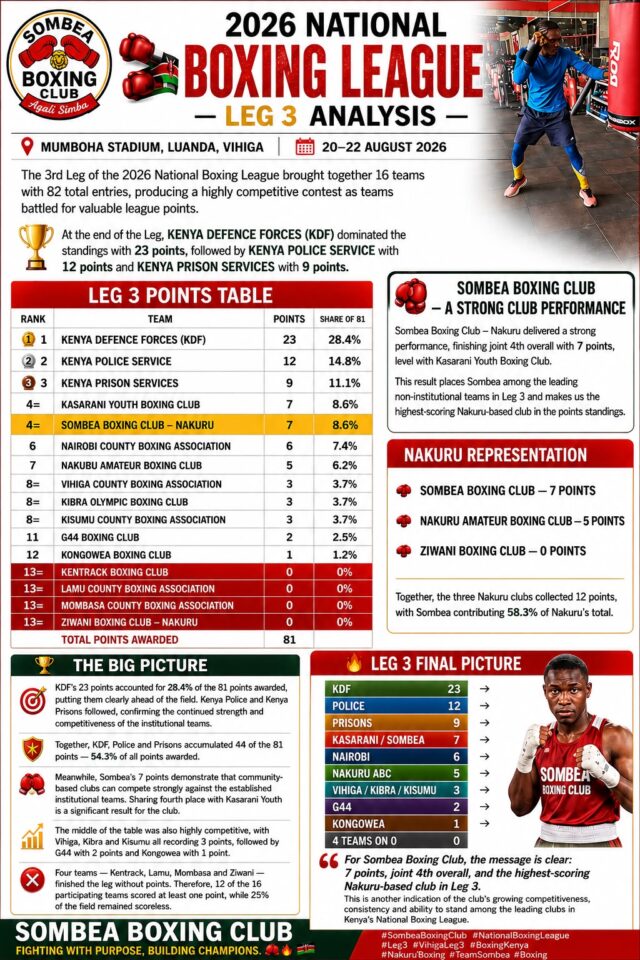
The 3rd Leg of the 2026 National Boxing League brought together 16 teams with 82 total entries, producing a highly competitive contest as teams battled for valuable league points.

At the end of the Leg, Kenya Defence Forces (KDF) dominated the standings with 23 points, followed by Kenya Police Service with 12 points and Kenya Prison Services with 9 points.

SOMBEA BOXING CLUB — A STRONG CLUB PERFORMANCE

Sombea Boxing Club – Nakuru delivered a strong performance, finishing joint 4th overall with 7 points, level with Kasarani Youth Boxing Club.

This result places Sombea among the leading non-institutional teams in Leg 3 and makes us the highest-scoring Nakuru-based club in the points standings.

The Nakuru representation was:

Sombea Boxing Club — 7 points

Nakuru Amateur Boxing Club — 5 points

Ziwani Boxing Club — 0 points

Together, the three Nakuru clubs collected 12 points, with Sombea contributing 58.3% of Nakuru’s total.

🏆 THE BIG PICTURE

KDF’s 23 points accounted for 28.4% of the 81 points awarded, putting them clearly ahead of the field. Kenya Police and Kenya Prisons followed, confirming the continued strength and competitiveness of the institutional teams.

Together, KDF, Police and Prisons accumulated 44 of the 81 points — 54.3% of all points awarded.

Meanwhile, Sombea’s 7 points demonstrate that community-based clubs can compete strongly against the established institutional teams. Sharing fourth place with Kasarani Youth is a significant result for the club.

The middle of the table was also highly competitive, with Vihiga, Kibra and Kisumu all recording 3 points, followed by G44 with 2 points and Kongowea with 1 point.

Four teams — Kentrack, Lamu, Mombasa and Ziwani — finished the leg without points. Therefore, 12 of the 16 participating teams scored at least one point, while 25% of the field remained scoreless.

LEG 3 FINAL PICTURE

KDF 23

→ Police 12

→ Prisons 9

→ Kasarani/Sombea 7

→ Nairobi 6

→ Nakuru ABC 5

→ Vihiga/Kibra/Kisumu 3

→ G44 2

→ Kongowea 1

→ 4 teams on 0


For Sombea Boxing Club, the message is clear: 7 points, joint 4th overall, and the highest-scoring Nakuru-based club in Leg 3.

This is another indication of the club’s growing competitiveness, consistency and ability to stand among the leading clubs in Kenya’s National Boxing League.

SOMBEA BOXING CLUB — FIGHTING WITH PURPOSE, BUILDING CHAMPIONS.

Compiled by Martin Luther