▪️Funding the national team to international tournaments is commendable but that’s not enough to enable Kenya excel at the big stage. It’s curing the symptoms instead of finding a lasting solution to the whole problem
▪️For Kenya boxing to advance and reclaim its former glory, Mvurya must do away with their fence-sitting approach and adopt a hands-on system in order to implement a holistic, multi-faceted approach that addresses the root cause of the decline
There’s a growing resentment among Kenya’s boxing stakeholders and ring analysts that Kenya’s Sports Ministry hasn’t given boxing the attention and importance it deserves. The ministry has focused more on football, leading to chronic underfunding, poor facilities, lack of equipment and underperformance of the national team at the global level.
Despite boxing’s historical success and potential for youth empowerment and international glory, the Sports Ministry has focused more on football yet it’s known boxing and athletics are Kenya’s bread baskets at major Games such as the Olympics, Commonwealth Games and at the continental level. The records are there for everyone to see.
In terms of achievements, football’s only notable success at the continental level is a silver during the 1987 African Games in Nairobi. Compared to boxing’s success, the combat sport is far ahead of football with seven Olympic medals to boot.
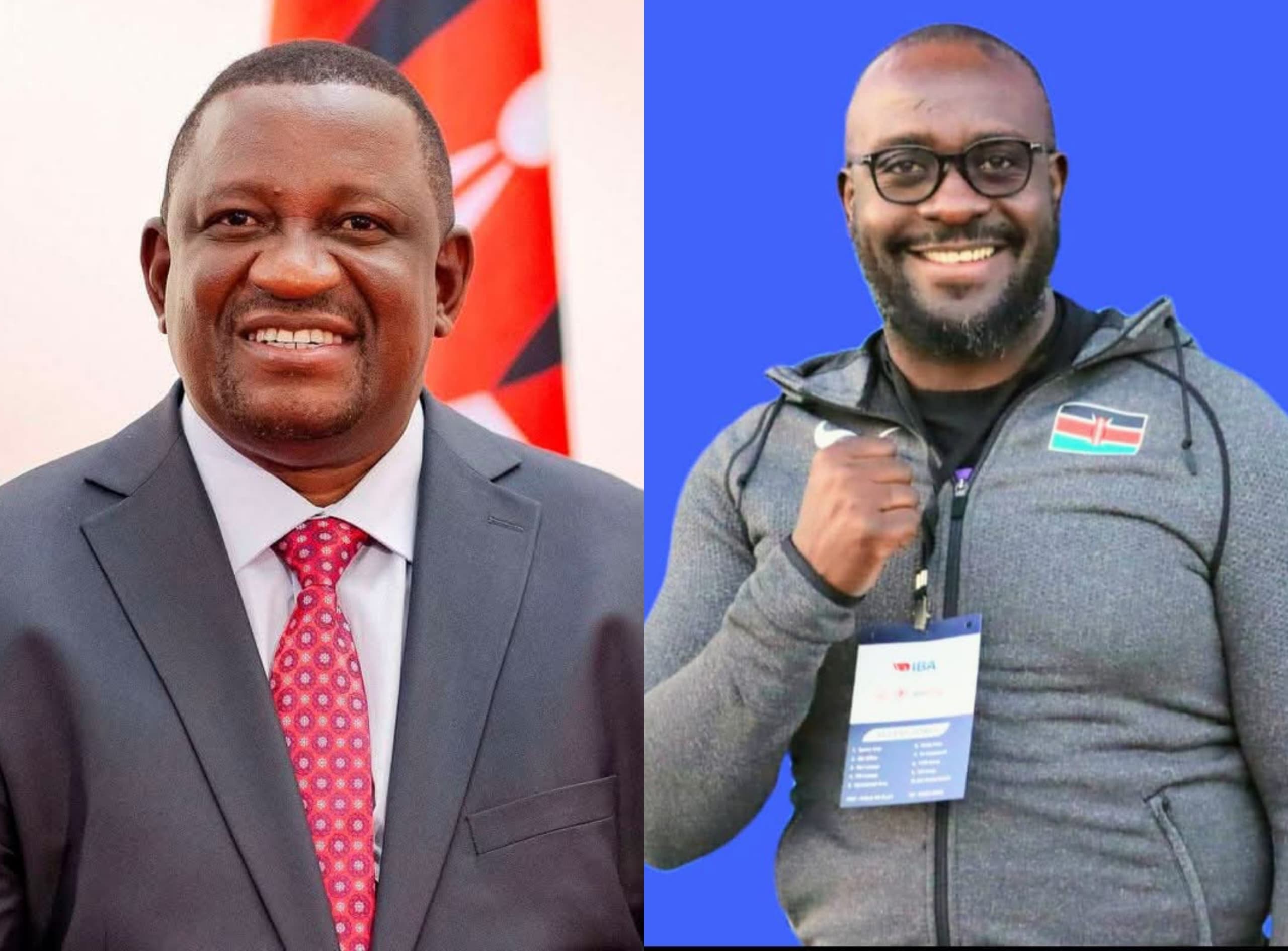
Yet the Cabinet Secretary in the Ministry of Youth Affairs, Creative Economy and Sports, Honourable Salim Mvurya EGH and his team have failed to harness this potential to restore the glory days in Kenya boxing.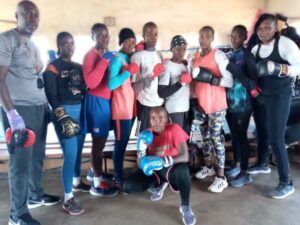

Boxing stakeholders want to see equitable investment, better governance, and grassroots support to revamp boxing and build on initiatives like ‘Ndondi Mashinani’ introduced by Boxing Federation of Kenya since 2019 when BFK President Anthony Otieno Ombok aka Jamal and his boxing barons ascended to the throne.
The point I’m driving home here is the ministry’s allocation of funding should be guided on merit, giving priority to disciplines which have excelled at the big stage.
While Kenya’s Sports Ministry deserves a hefty pat on the back for digging deeper on its limited resources to fund the national team in some major international tournaments like World Championships that’s not enough to enable Kenya bounce back to its glory days in the sport. The ministry is just treating the symptoms instead of addressing the root cause of the decline and come up with a lasting solution.

For Kenya boxing to advance and reclaim its former glory, the Ministry of Sports must implement a holistic, multi-faceted approach that addresses systemic, infrastructural, and developmental gaps.
There’s an urgent need for a comprehensive Strategic Plan to be drawn by BFK in conjunction with the Sports Ministry. It should involve strengthening grassroots boxing, junior and youth development program, improving boxers’ welfare, creating employment opportunities for boxers, modernizing training, unifying the coaching system, R&J empowerment, media input, constant exposure of the national team and bringing sponsors on board.
Key pillars of a holistic approach to boxing development include:
1. Strengthening Grassroots and Talent Identification.
Ndondi Mashinani Initiative
Supporting community-based talent identification programs like “Ndondi Mashinani” to tap into rural and informal settlement talent, particularly among the youth. Refurbishing estate gyms in Nairobi (Kaloleni, Mbotela, Dallas Muthutwa, Jericho, Umoja, Kariobangi, Kibra, Githurai etc) to be manned by qualified coaches under the payroll of the county government. Nairobi is the Mecca of boxing in Kenya. Any improvement should first start with Nairobi and then move to other counties.
School-Based Programs
Introducing boxing in schools to build a sustainable pipeline of young talent, as championed by local foundations. If schools boxing is not possible, the Sports Ministry and BFK should come up with a comprehensive junior and youth development program
Female Boxing Focus
Actively promoting women’s boxing through dedicated leagues and initiatives to build confidence and skills for girls.
2. Infrastructural Investment and Equipment
Decentralized Training Hubs
Developing regional, basic training facilities equipped with rings, bags, gym, and hygiene facilities (changing rooms, toilets) to move beyond relying only on urban centers.
Equipping Local Gyms
Ensuring clubs have essential equipment like gloves, punch bags, pads, skipping ropes, shoes, tracksuits and qualified coaches. The proposed BFK unified coaching system will work better here so that Kenya develops its own boxing philosophy
3. Athlete Welfare and Professional Development
Boxers Employment
Providing regular employment opportunities for boxers in the forces and in other organisations to reduce the current boxers’ high dropout rate due to economic constraints.
Career Transitioning
Empowering boxers with life skills and training that prepare them for career opportunities beyond the ring.
Mental Health and Nutrition
Integrating mental, psychology, nutritional, and medical support into training regimes, rather than focusing only on physical training.
4. Governance, Leadership, and Capacity Building
Mentorship by Legends
Engaging former boxing champions to mentor young talent, provide guidance, and foster a culture of excellence.
Capacity Building for Coaches/Referees
Investing in training and certification programs for coaches, referees, and judges to improve technical standards to international (IBA) levels.
5. Strategic Partnerships and Funding
Public-Private Partnerships
Actively seeking corporate sponsorship to move beyond reliance on state funding and support from forces-backed teams (Police, Prisons and Armed Forces).
Consistent Competition
Hosting regular, high-standard competitions complimented by the national league and increasing international exposure to build experience and confidence.
By addressing the “whole athlete” and the entire ecosystem—from the local gym to the national team—the Ministry of Sports can transform Kenyan boxing into a sustainable, professional, and a more successful sport.
Exposure, as mentioned earlier, is an important component to improve the performance of the national team. To this end, the ministry’s funding of the national team’s participation in international competitions such as the World Championships is commendable and highly appreciated by the boxing fraternity. It should be maintained but one tournament per year is not enough.
Kenyan boxers need to be constantly exposed in more stiff
competitions in Europe, Americas and Asia to enable them gain knowledge, experience and new techniques.
One tournament which should always be in their calendar is Strandja Memorial staged annually in Sofia, Bulgaria and features renowned boxers. This year’s event takes place from February 21-March 2 in Sofia.
To plan better taking part in such important boxing tournaments, the Sports Ministry and the Boxing Federation of Kenya (BFK) must meet to devise a Strategic Plan to revamp Kenya boxing.
Unfortunately, there’s very little interaction between the Ministry and BFK to compare notes identifying the sticky areas that need urgent attention.
Sports CS Mvurya will have to lead from the front to give boxing the attention it deserves and its budget increased. Allocation of funds should be based on the success of each discipline.
For political reasons football, which commands mass following, is given priority but in terms of success at the continental and world level, boxing is way ahead of football in Kenya.
We have seen Mvurya attending football matches and inspecting venues for the 2027 AFCON to be staged jointly by Kenya, Uganda and Tanzania but not so for boxing tournaments.
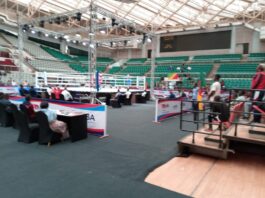
For instance, the Sports CS gave the 2025 Africa Zone 3 Championships at Kasarani a wide berth, and no postmortem has been conducted between the Ministry and BFK on the Zone 3 tournament. Yet it was the Ministry which funded the event.
Much as we commend the government for funding the event, one area they need to improve on is preparations of the national team. Proper preps are crucial in the national team’s success.
Unfortunately, the national team went through non-residential training at the worn-out Mathate Police Depot Gym. With only two punch bags available, boxers had to queue to work on the bags. Kenya’s preparations for big tournaments are below par so far. Efforts must be made to move away from Mathare Depot Gym.
In contrast, training venues of some of the world’s top national teams such as Cuba have over 20 punch-bags and several rings.
I normally visit the national team when they’re training at Mathare Depot but I have never seen a ministry official at the venue to monitor the preparations and compile stats.
When the team is travelling abroad this is where you will see a ministry official on board with no specific duties. They don’t even compile reports aimed at identifying and subsequent improvement of the weak areas they noticed in the trip. Sadly, most of them don’t even understand the fundamentals of boxing, neither do they know the boxers. A former ministry official, Richard Ombeba, is the only one who was keen on boxing and had passion for the sport to the extent of spending his own money to attend competitions held outside Nairobi.
We hope to see Mvurya & Co cultivate more interest in boxing and a hands-on approach to speed up the development of this popular sport in Kenya. The boxing budget has to be increased for constant exposure and thorough preparations of the national team and other related activities.