












▪️The African governments must change their fence-sitting approach and team up with NFs to come up with a strategic plan to enable African boxers stamp their authority at the global stage
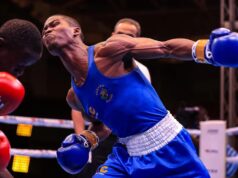
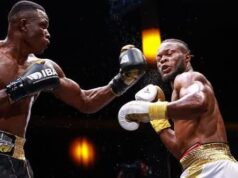
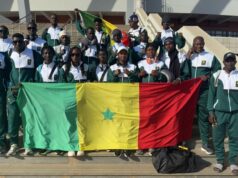
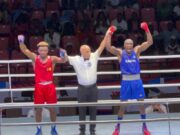
A total of 128 boxers from 34 African countries participated in IBA Men’s World Boxing Championships in Dubai.
At the end of the tournament, Africa collected three bronze medals by Mali’s middleweight Djibril Traore and two from Zambians, flyweight Patrick Chinyemba and light-welterweight Emmanuel Katema.
Compared to the past two World Championships in Belgrade and Tashkent where African boxers shot blanks, this time around they did better, ending an 8-year medal drought to win three bronze medals, having 12 quarter-finalists and 32 boxers in the round of 16.
Once again the elusive gold medal was out of reach with none of them making it to the finals. Africa last won gold in 2015 through Morocco’s Mohammed Rabii.
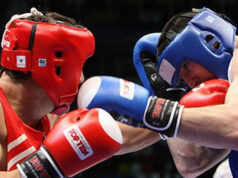
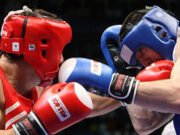
In a capsule summary, the African boxers were outwitted by boxers from Eastern Europe and Central Asia whose performance reinforced their technical superiority, tactical depth, ring generalship and precision in offence.
The undoing of most African boxers is technical deficiency occasioned by lack of constant exposure in top-notch competitions, proper strategic planning ahead of their bouts, poor preparations and lukewarm support from their respective governments.
It’s common knowledge majority of the African governments feel they have played their part by funding their national teams to major competitions. That’s not enough. They need to adopt a hands-on approach to make sure their boxers are adequately prepared and in conjunction with their federations come up with a strategic plan on boxing development.
Biased officiating has also been cited but honestly its like a drop in the ocean. To win a fight, a boxer has to take charge and dominate your opponent to put issues beyond doubt.
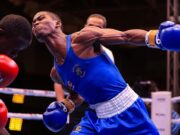
While the coaches play a big part in the game plan of each bout, the boxers too, once in the ring, have to use their commonsense and adopt a different approach once they realise their opponent has changed tact using another format than the one they expected. Tactical planning is also letting down most of the African boxers who prefer using a lot of power throwing punches in bunches irrespective of whether they’re landing on target.
There’s also need for senior R&Js to sit with the boxers during their training sessions to educate them on how the judges award points.
Otherwise the Eastern European countries and Central Asia with Uzbekistan and Kazakhstan will continue dominating the World Championships now that boxing superpowers of Western Europe have shifted to World Boxing organisation.
African boxing leaders must also seek massive sponsorship to organise their own regular prize money tournaments and invite the top foreign boxers to take part. This will give their boxers the home ground advantage.
Since the formation of the African body in 1960, the only tournament they have organised regularly is the Africa Elite Championships whose first edition took place in Cairo, Egypt, in 1962. More tournaments should be introduced to keep the boxers busy, earn more money, keep them in shape as well as gaining more boxing knowledge.
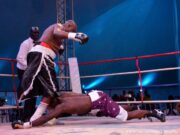
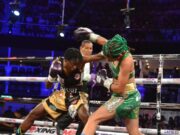
Kudos to all the African boxers who took part in the World Championships in Dubai. They may not have won a fight or advanced further but the fact that they entered the ring to fight at that level is an achievement and proves they had the guts to trade leather with their foreign opponents taking into account boxing is not an easy sport.
Congrats to the Zambian boxers for your technical flair, matching your adversaries from Central Asia and Eastern Europe punch for punch and Djibril Traore who won a medal in his first participation in the World Championships.
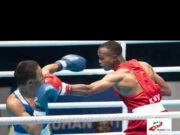
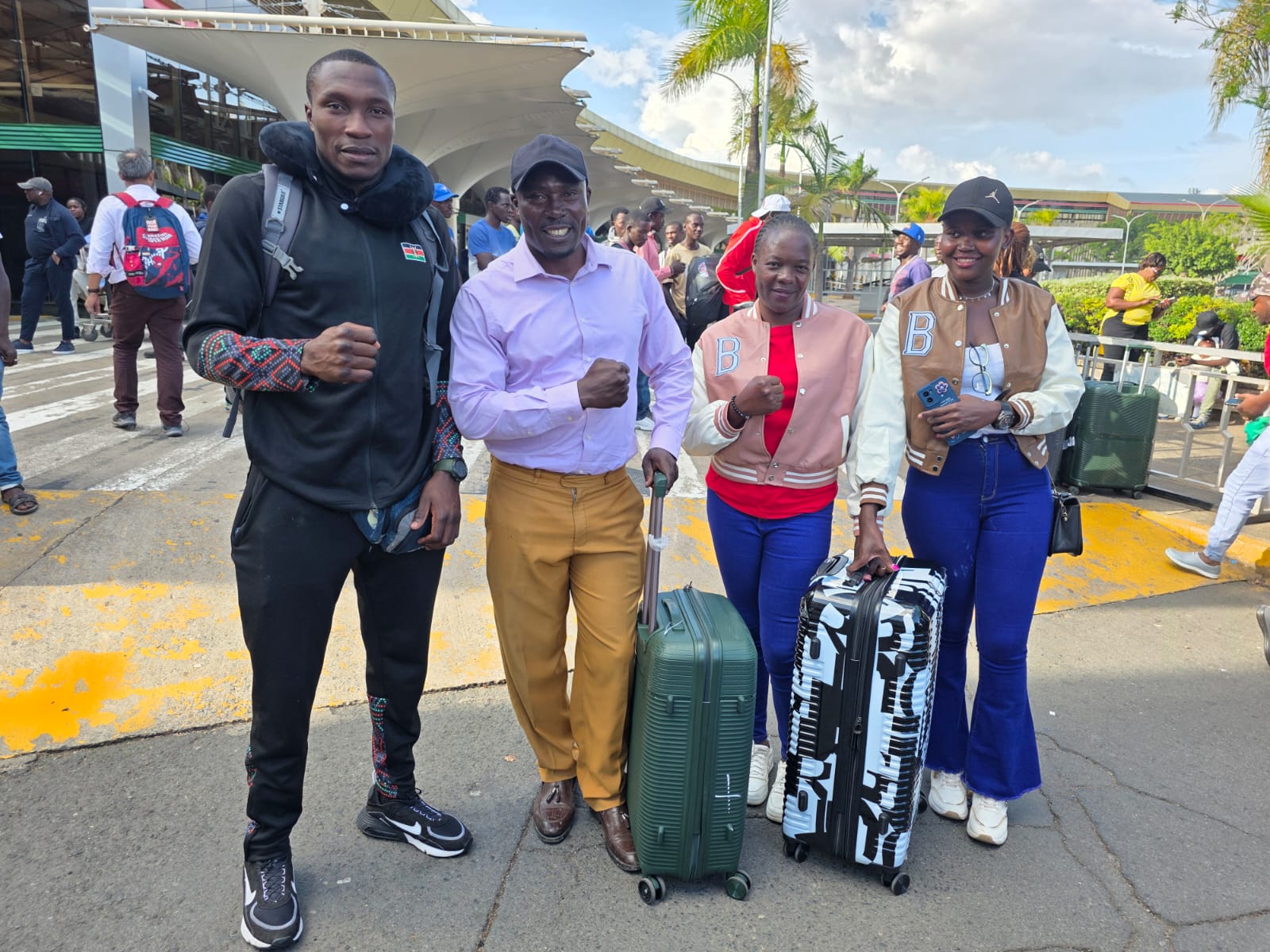
Big up to the Kenyan soldier Robert Okaka aka Man Man Ngori who became the first Kenyan boxer in 43 years to qualify for the World Championships quarter-finals. His third round demolition of Tunisia’s Youssef Rafrafi and the intelligent boxing he displayed was a memorable spectacle.
Tanzania’s Issa Faki hongera ndugu for being the second boxer in your country to win a single fight in the World Championships and welterweight Bob Turyatemba’s first quarter-final qualification in 51 years by a Ugandan boxer in IBA’s signature event.
Cape Verde’s first ever Olympic medallist David Pina you gave a good account of yourself but the absence of your regular coach Bruno Carvalho somewhat affected your performance. You will prove yourself in the next World Championships.
Walk tall African boxers. You have the ability and power to rise to the top if your respective governments fully support you.