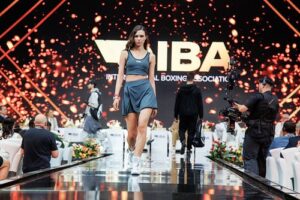
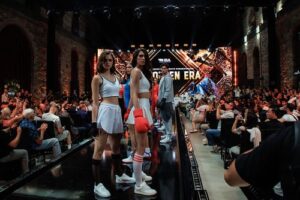
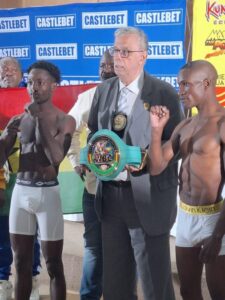
IBA OKAYS TUNISIA PRO BOXING GALA NIGHT ON FRIDAY


IBA OKAYS TUNISIA PRO BOXING GALA NIGHT ON FRIDAY


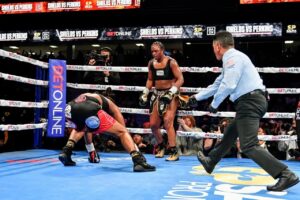
Martin Bakole is slated to fight Efe Ajagba in May in the USA; The IBF has ordered Bakole vs Ajagba as the final eliminator for Daniel Dubois’ world championship; Dubois is making his next defence of the IBF belt against Joseph Parker on February 22, live on Sky Sports Box Office.
The Congolese contender has previously boxed in Los Angeles when he stopped highly touted prospect Jared Anderson.
“You don’t stand with Martin Bakole. I am a big man and I am a machine,” he declared after that win. “No one wants to fight me.
“I’m a machine. I’m in this sport to take over. I want to be No 1.”
Ejagba has only lost once in his professional career and has been on a five-bout winning run since his 2021 defeat to Frank Sanchez. Most recently Ejagba overcame Guido Vianello, an Italian Olympian.
Bakole has long been highly ranked and is pushing to force a shot at Dubois’ title. The IBF has ordered Ajagba, as the next available rated contender, to box Bakole in that final eliminator.
Dubois, who knocked out Anthony Joshua in stunning fashion last year, makes the next defence of his belt on February 22, live on Sky Sports Box Office, when he takes on in-form opponent Joseph Parker.
Bakole versus Ejagba is slated for a May card in America staged by boxing powerbroker Turki Alalshikh.
He also intends to bring back Ryan Garcia and Devin Haney in separate bouts.
Garcia’s bout with Haney last year was rendered a no contest after he tested positive for performance enhancing drugs.
The New York State Athletic Commission banned Garcia for a year, but he would be eligible to box again by May.
A contest with Rolando Romero is earmarked for him while Devin Haney, who has not boxed since his punishing fight with Garcia last April, is set to fight a former world champion, Jose Ramirez on that May card.
Courtesy of SkySport


NICK OKOTH HATES FLYING

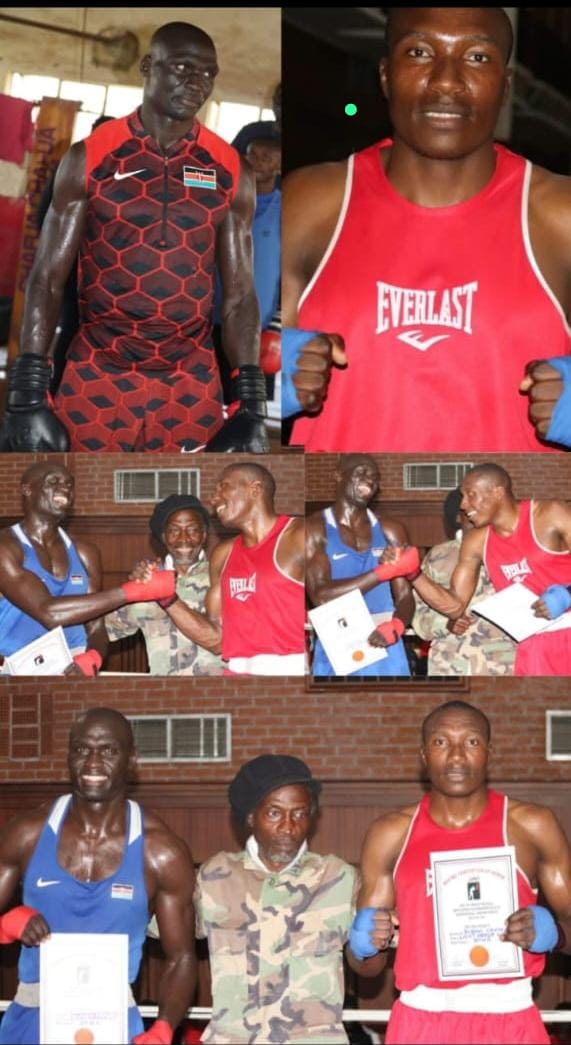
For all his bravery and tenacity in the ring, Kenya’s star boxer Nick “Commander” Okoth, has for the first time revealed he’s scared stiff when airborne.
In a nutshell, Okoth has aerophobia which is an extreme fear of flying in an aeroplane.
He doesn’t like boarding aeroplanes at all, and he’s grateful he has changed his gloves in his international career, so there’s no more globe-trotting.

“All these years I’ve travelled by aeroplane I’ve been very uncomfortable once we’re up in the sky,” said the boxer during an interview with boxersworld.co.ke. Okoth, was a gold and silver medallist at the 2017 and 2022 Africa Boxing Championships.
“I always imagine, what happens if the plane suddenly goes down and we’re up in the sky, how will my family survive?”
While he enjoyed representing the national team in international tournaments, Okoth always became nervous once the plane takes off.
“Flying was such a big bother to me but none of my teammates knew, I always showed them I’m okay but deep inside I was so uncomfortable during take off,” said Okoth. He is one of the former international boxers coaching the KDF national league champions.

“Sometimes you disembark and your ears are numb you hear nothing, It’s so annoying travelling by planes,” said the champion. He continues to clarify that he will only fly if it’s necessary but he’s now through with planes.
“I’m so relaxed now, no more bother going to the airport to board a plane, it’s a big relief to me.”

MR. SIYABULELA CECIL MKWALO ELECTED AS AFBC VICE PRESIDENT

The African Boxing Confederation (AFBC) Board of Directors convened on January 18, 2025, to address critical matters, including the election of a new Vice President. Following extensive discussions, the Board elected Mr. Siyabulela Cecil Mkwalo to assume the role of Vice President.
The position became available following the removal of the former Vice President, General Luyoyo Ferdinand, due to actions deemed illegal and against the AFBC constitution, as well as measures that compromised the organization’s unity and integrity. General Ferdinand’s suspension followed an illegal meeting held in Kinshasa on October 24, 2024. After an in-depth investigation by the Ethics Committee, the decision to remove him from office was made. The AFBC Congress further approved his removal during its session in Dubai on December 6, 2024.
Mr. Mkwalo brings an extensive background in boxing and sports administration, making him an ideal candidate for this key leadership role. He holds a Master of Sport Science from the University of KwaZulu-Natal, where his research focused on the role of government in the provision and delivery of sports. His academic achievements also include a Bachelor of Sport Science, complemented by numerous certifications in leadership, conflict management, and strategic planning.
With over two decades of experience in the sports sector, Mr. Mkwalo has held prominent roles, including his current position as the President of the South African National Boxing Organisation. He has served as a team manager for the South African national boxing team during international competitions, including the World Youth Championships in Bulgaria. Additionally, he has played a pivotal role in developing boxing structures across South Africa, introducing women into the sport, and decentralizing boxing into eleven districts in KwaZulu-Natal.
As a member of the AFBC Board of Directors since 2022, Mr. Mkwalo has demonstrated his commitment to the growth and governance of boxing in Africa. His leadership, strategic planning skills, and passion for the sport have earned him respect within the boxing community.
The AFBC Board also discussed other vacant positions and will finalize decisions on these roles in the near future.
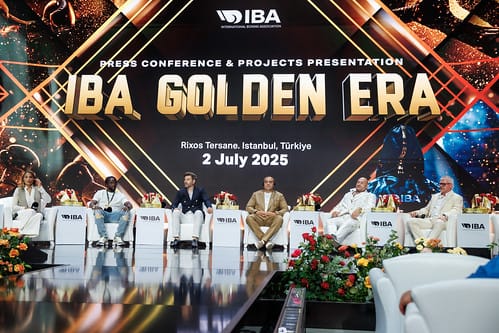
Mr. Mkwalo’s appointment is expected to strengthen AFBC’s leadership and reinforce its mission to promote the sport of boxing across the continent. The AFBC remains steadfast in its commitment to transparency, inclusivity, and the advancement of African boxing.
Courtesy AFBC

AFRICAN BOXERS EXCITED ON NEW AFBC PRO BOXING
ni
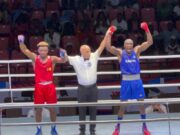
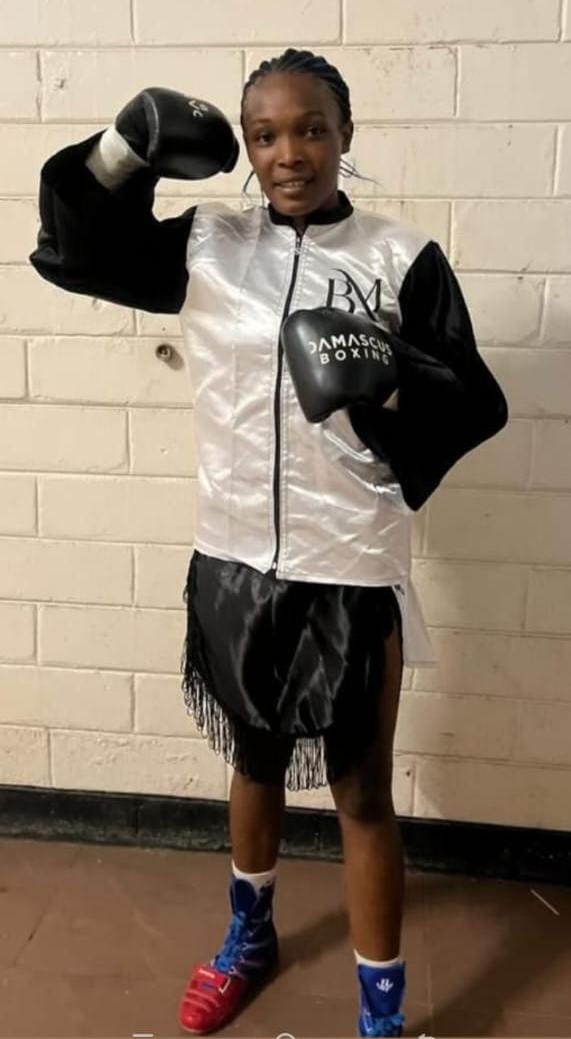
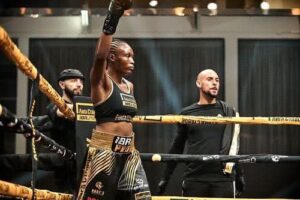
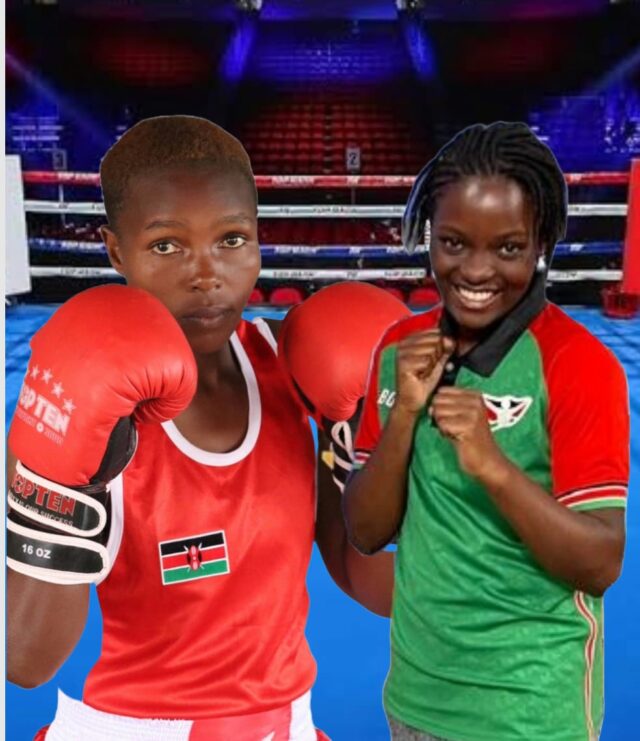
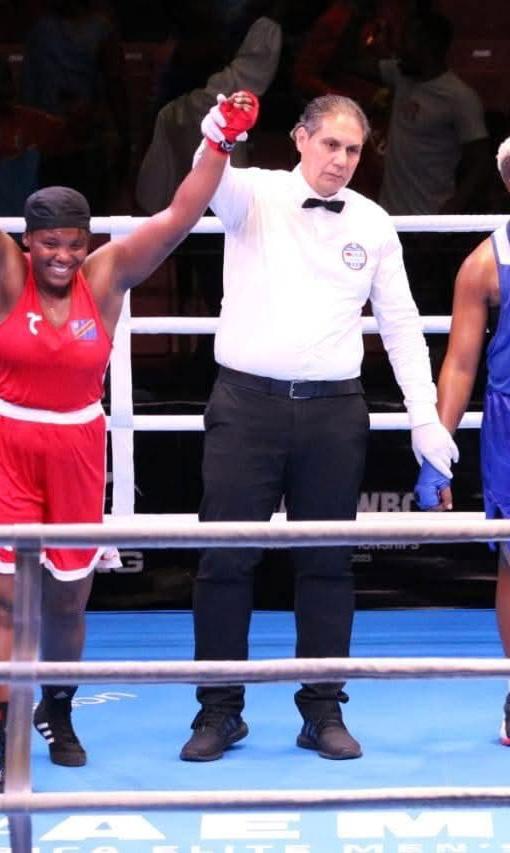
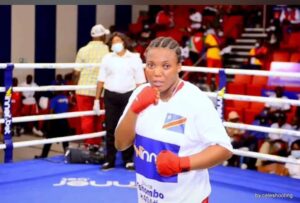
Madagascar’s Miora Tina Karene Andriamiarisoa is psyched up for her five-round minimumweight tough duel against Tunisia’s African Games silver medallist Wafa Hafsi in the first ever Africa Boxing Confederation (AFBC) Pro Boxing contest scheduled for Tunis on January 24 at the Sidi Boussaid Gymnasium.
She knows fighting the Tunisian boxer at home will be not be like a beach picnic.
“I expect a difficult fight against my talented and experienced opponent, as a silver medallist in the African Games she’s not a boxer to be underrated,” Miora Tina told boxersworld.co.ke in a telephone interview.
“She’s a formidable fighter whom I respect enormously for her success, it will be an honour to face her I’m ready to give my best.”
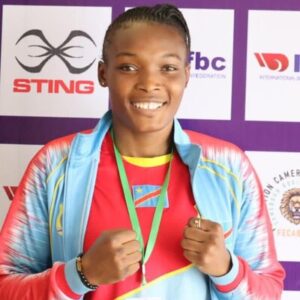
A double bronze medallist in the 2017 and 2024 Africa Championships, the 27-year-old Miora Tina has a record of 34 wins and two defeats in amateur boxing. At the 2024 Africa Championships in Kinshasa, she lost in the semi-finals to the eventual gold medallist Nyembo Gisele of DR Congo.

In addition to her silver medal in the Accra African Games, Hafsi is also a bronze medallist in the 2023 Africa Championships and a bronze medallist in the 2022 Mediterranean Games.
She’s also looking forward to this big day in Africa boxing.
“We boxers are so happy that eventually we have our own pro boxing, we thank our federation president (Barbouche Zied) for being part of this big initiative and having us host the first series,” said Hafsi.

Miora Tina too – like most African boxers – is excited that finally the continent has introduced its own version of professional boxing, and for the first time she’ll fight in a five rounder and be paid immediately after her bout.
“This is the progress we’ve been yearning for in Africa, we’re proud of our African body for this great project,” said Miora Tina, adding: “The integration of professional boxing into AFBC is a major step forward to us boxers. This finally gives African boxers a platform to shine while benefiting from often overlooked financial support.”
Miora Tina said the newly-introduced AFBC Pro Boxing is the most cherished gift to boxers this year from AFBC.
“This project is not limited to improving economic conditions of the current boxers, it also inspires the new generation of boxers to believe in their dreams. It’s a step in the right direction to turn passion into a profession.”


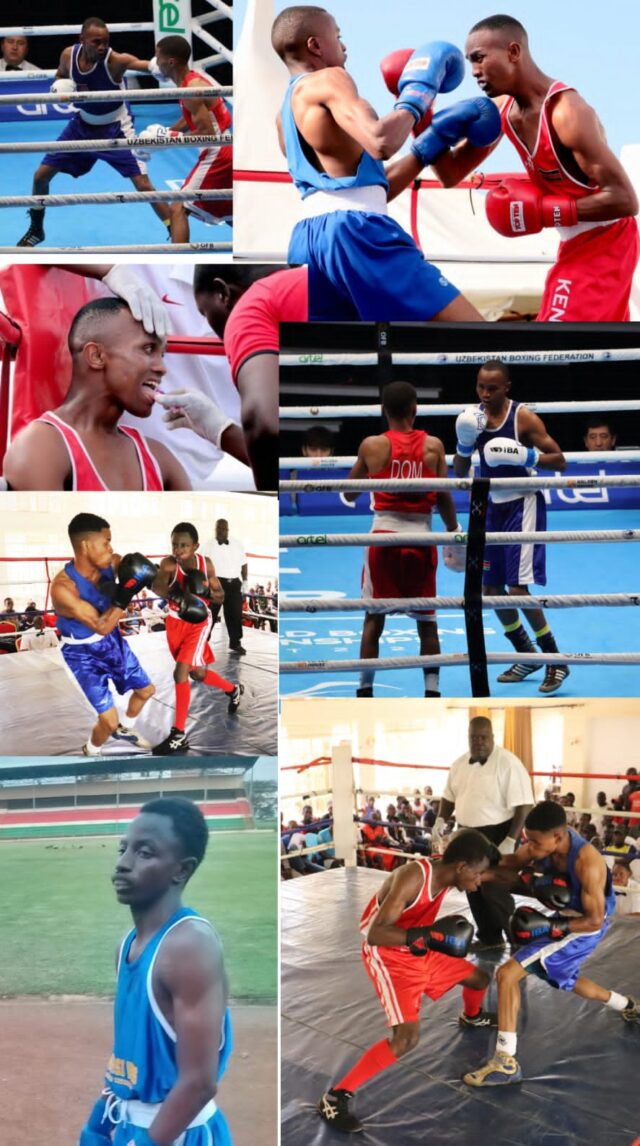
NENEZ BOXING ARCHIVE: Peter Kang’ethe fare thee well one of Kenya’s top light-flyweights of the 70s

The late Peter Kangethe, who passed on three weeks ago, was buried on Thursday (January 16) this week.
I first met Kangethe in 1971 when Kenya’s team was training at the Prisons Gym opposite Wilson Airport. They were preparing for a return match with Nigeria in December that same year.
He was a friendly boxer keen on sharing his knowledge with us youngsters then.
That was when Kangethe was at his peak.
He shocked his more experienced teammates and coach Sammy Ouma when he outpointed Nigeria’s highly regarded Saliu Ishola in the opening light-flyweight bout of an international friendly match won 7-4 by the Nigerians in Lagos in November, 1971.
In addition to Kangethe, other three Kenyan winners were top internationals, bantamweight Sammy Mbogwa, light-middleweight David Attan and light-heavyweight Steve Thega who scored a shocking points victory over 1972 Olympics bronze medallist Isaac Ikhuoria.
Big-talking Nigerians landed in Kenya with their usual noise making it known to the hosts they would hammer them proper in the return match under their coach Hogan “Kid” Bassey, a former world champion in pro boxing.
However, Kangethe was not cowed by the bullish Nigerians.
“Hawa tutachapa, walitulalia huko kwao na hiyo joto pia ilituweza (we will beat these Nigerians they robbed us at home and the humidity was too much for us),” Kangethe told us in our chit chat with among other junior buddies, Napunyi Oduori and Kamau Wanyoike after watching them train under coach Sammy Ouma at Prisons Gym.
He lived up to his promise when the Kenyans whipped Nigeria 9-2 bouts in a packed City Hall in this Jamhuri Day match in December, 1971.
Kangethe set the Kenyans on the winning trail, putting up a classic show to beat Saliu Ishola again in the light-flyweight berth. He did not only defeat Ishola but rightly named the Best Boxer of the night in this one-sided match I watched from the City Hall balcony with my late dad, a staunch boxing fan.
Among other winners included flyweight Peter Munyogi, bantamweight Sammy Mbogwa, light-welterweight John Olulu, welterweight Dick “Tiger” Murunga, light-middleweight David Attan and light-heavyweight Steve Thega.
The Kenyans emerged victorious with an aggregate of 13-9 bouts (35-31 points).
It was a total massacre as the Nigerians returned home quietly to lick their wounds in Lagos.
Kangethe made his international debut in 1970 in Kampala when he replaced an overweight Isaac Maina at flyweight during the first leg of the Millington Drake Trophy, an annual two-leg contest which was always fiercely fought with the Ugandans then having an edge over Kenya.

Pitted against Olympic bronze medallist, Leo Rwabogo, Kangethe proved to be no match for the tough Ugandan who stopped him in the second round at flyweight as the Ugandans hit the Kenyans 8-3 bouts. The most shocking defeat being that one of legendary featherweight Philip Waruinge who was stopped in the third round round by his rival Deo Musoke. He had defeated the Ugandan hands down in the 1970 Commonwealth Games final in Edinburgh, Scotland.
Waruinge, who avenged the defeat by Musoke easily beating him in the return match in Nairobi, was later to open up to me in our chit chat in Nakuru. He said he took matters too easy irrigating his throat – before the fight – with few tots of Waragi, Uganda’s famous drink which took its toll in the ring on the illustrious Kenyan boxer.
Kangethe’s next call up to the national team was in November, 1970, when the Kenyan boxers were preparing for the first ever visit to East Africa by the Soviet Union team.
He was picked in the light-flyweight division together with Mombasa-based Haraka Wanjala whom the selectors eventually preferred to Kangethe because he proved to be sharper than him during training at Kenyatta University (then Kenyatta College).
Wanjala lost his debut bout for the national team, beaten 7-4 bouts by the visitors at City Hall.
The following year (1971), Kangethe maintained his steady rise, scoring a major upset points victory over the 1968 Africa Championships silver medallist Lawrence Kariuki during an inter-club match between Prisons – the giants of Kenya boxing at the time – and Police in early 1971 at the City Stadium.
He dominated Kariuki throughout the three rounds to the amazement of coach Peter Mwarangu.
Kangethe’s victory was however not enough to stop the mighty Prisons from whipping Police 8-2 at the City Stadium. Heavyweight E.Wanjala was the other Police team winner.
Prisons’ eight winners were flyweight Peter Manene, bantamweight Sammy Mbogwa, featherweight John Nderu, light-welterweight Stephen Baraza, welterweight Ali Said aka Ali Baba, George Ambuga aka Labour, middleweight Stephen “Kimbo” Matiani and light-heavyweight Steve Thega.
Kangethe maintained his superb performance, outpointing the more experienced Sammy Mwangangi when Police demolished Railways Starehe 19-13 points in an inter-club match at Kaloleni Social Hall attended by chief guest Bernard Hinga, the Police Commissioner, who presented the winners trophy to Police captain Alex Omwomo aka Wachawe.
For his impressive victory over Mwangangi, Kangethe was named the Best Boxer of the evening.
He again beat Sammy Mwangangi of Railways Starehe in an inter-club match. Kangethe was representing his employer, General Service Unit (GSU) at the Police Pavilion.
Kangethe was now all set for the inaugural East African Championships in May, 1971, at the Nairobi City Hall. The participants were from Kenya, Uganda, Tanzania, Zambia and Ethiopia.
He was among the boxers who assembled at Railways Training Institute to prepare for the East African tournament. Also, in the squad was the new kid on the block St Teresa’s schoolboy Dick Felix, a product of prominent coach Eddie “Papa” Musi. The coach was a South African immigrant who was handling Nairobi City Council club training at the social hall in Kariobangi Estate nicknamed Bangladesh. Together with clubmate Felix Maina they took Kenya’s boxing fraternity by storm. Dick Felix won the novices and intermediate flyweight titles and Maina clinched the intermediate light-flyweight title at Kaloleni Social Hall. Kisumu boy Zack Amalemba then with Prisons also caught the selector’s eyes when he won the intermediate heavyweight title. Amalemba and Dick Felix earned their first first call ups to the national team preparing for the East African Championships.
So impressive was Felix the southpaw during training sessions that coach Sammy Ouma and trainer Mwangi Mugo decided he had to slash weight and move down to light-flyweight to battle it out with Haraka Wanjala. Kangethe moved up to flyweight.
Mini-trials for the regional tournament in a few weight divisions were held at Prisons Gym. Felix was pitted against Wanjala in the light-flyweight berth while Kangethe fought long-serving Prisons international and a product of Nakuru ABC, Peter Manene who had been recalled to the national team. As expected, Felix and Manene had the last laugh punching their way to the final team for the regional tournament.
Ring analysts felt Kangethe should have been left to vie for a place in the team in his usual light-flyweight class. They deduced he had brighter prospects of defeating Wanjala in the trials. They also thought Felix should have remained at flyweight where he was more comfortable.
Making his international debut, Felix was eliminated by Uganda’s newcomer John Byaruhanga in his first fight while Manene went down to James Odwori – a Kenyan then boxing for Uganda – in the semi-finals of the regional tournament.
Later in the year, Kangethe earned another chance to represent the national team in the Lagos tour after defeating among others Haraka Wanjala at the Police Pavillion trials in Nairobi South C. Owing to a tight schedule in school, Dick Felix was unavailable for the Lagos trials.
Besides Kangethe, other light-flyweights who had sprung up by then included Nakuru’s 1970 novices champion John Nganga aka “Fyatuka”, Hassan Mohamed also from Nakuru and GSU’s Peter Ndirangu who deposed Kangethe towards the end of 1972 in the Kenya Open at Pumwani Social Hall. He outpointed Kangethe in the finals, earning a place in the 1973 African Games national team in Lagos, Nigeria.
Kangethe’s defeat by Ndirangu was the beginning of the end in his short spell with the national team.
In the ring, Kangethe was quite fast with good footwork but at times threw many unnecessary punches that hardly landed on target. Ndirangu was slow, boxed flatfoot but a hard hitter. Hassan, who was at Prisons together with Nganga, was tall with an effective jab which he used well to keep his shorter opponents at bay.
Gradually, Hassan proved to be better than Ndirangu, making his debut in 1973 in the first leg match of the Urafiki Cup (formerly Millington Drake Trophy) against Uganda in Kampala. He lost to fellow newcomer Baker Muwanga. In the return match, Hassan was replaced by the latest sensation Steve Muchoki who swept them all like a tornado, earning his first call up to the national team in the return leg Urafiki Cup match against Uganda at City Hall in November, 1973.
Muchoki put up a splendid performance to outpoint Baker Muwanga. A product of Railways Starehe in Muthurwa Estate nicknamed Dallas. Muchoki then ruled the light-flyweight division for seven years, remaining unbeaten locally until he turned pro in 1979 with a world title under his belt.
Muchoki was as cunning as a rabbit in the ring very difficult to hit, master at in-fighting, accurate puncher with lightning speed and wonderful footwork spiced with clever side-steps which at times left some of his opponents punching the ropes.
Kangethe went on representing GSU, losing to Muchoki in the 1978 Kenya Open finals at Nakuru’s Madison Square Gardens. He later founded ICRAF Boxing Club which featured in the second division of the national league, and when pro boxing was introduced in 1983 he also played a pivotal role as a referee/judge until his demise.

MERVEN CLAIR BACKS INTRODUCTION OF AFBC PRO BOXING


Tyson Fury at his best was a huge man with small-man skills. Fun to watch and highly skilled. Unfortunately, Fury wasn’t always at his best because of mental issues and drug abuse. That he was good enough to beat Wladimir Klitschko and knock Deontay Wilder out twice while dealing with his issues is impressive.
Post-Wilder, Fury is not the same guy. Wilder put a lot of damage on him, and at his age and having lost the ability to pull the trigger when needed, he is better served to retire. Of course he will fight Anthony Joshua, and maybe even keep going after that, for money. But he isn’t the same guy anymore. As happens with all fighters.

Detractors love to rag on fighters once they decline, and Fury is loathed by many. I prefer to look at the most exciting trilogy of the last decade between him and Wilder and just feel gratitude. Two guys went in to win, aggressive and throwing bombs, putting on a show as warriors, as gladiators. That is rare in the sport these days. Wilder was not a great fighter, but his power was very real. I respected him more after the trilogy. He went in to stop Fury. That trilogy was the stuff of legend.
Fury vs. Oleksandr Usyk was two old guys sparring. Neither guy wanted to take it; they both were there for the big check. Fury should stop, but he won’t. Too much money. And maybe he and AJ will be a good fight. Who knows?
-Theshotyoudontsee
Kieran Mulvaney’s response: I was nodding along in agreement until your characterization of the Fury-Usyk fights. No offense, but what were you watching? Plenty of folks – including us here at BoxingScene – saw Usyk-Fury I as Fight of the Year last year, and while the rematch was less exciting, it was enthralling and Usyk’s performance was, I thought, sublime.
As for the rest, I agree entirely. Far too many fans are enthusiastic about jumping on a fighter once he loses or puts in a bad performance, but the reason halls of fame – including the International Boxing Hall of Fame – wait for several years after an athlete retires before considering them is so they can assess his or her career in totality.
I suspect history will be pretty kind to Fury. As you said, that trilogy with Wilder was tremendously violent and captivating, but it basically hastened the end of the careers of both men. Fury could probably beat most opponents who aren’t Usyk, but he does appear to have lost those extra few percent that made him so dominant. That said, I don’t for even one second believe he is actually retired yet.
USYK, BETERBIEV, WILDER AND LOMACHENKO ALSO SHOULD RETIRE SOON
I think Tyson Fury should retire. I also think Oleksandr Usyk should retire soon as well – like take on the winner of Daniel Dubois vs. Joseph Parker to become undisputed, then have a farewell match close to his home and retire this year.
I think Artur Beterbiev, win or lose, should retire after his rematch with Dmitry Bivol. I think Deontay Wilder and Vasiliy Lomachenko should be done as well. How many of these guys, including Tyson Fury, will choose health over the boxing high, though?
In team sports, when you no longer perform at a high level, you are forced to retire because you cannot compete for a roster spot anymore. In individual sports, there needs to be a realization you are done. In combat sports, self-destruction is far more common than self-realization is. I am tired of seeing boxers I have watched in their primes become shells of themselves.
-landotter
Kieran Mulvaney’s response: I’m broadly with you. The tail ends of boxers’ careers – even, and in some ways especially, those that have been tremendously successful – can be challenging to navigate and watch. I’m often very much on the side of retiring earlier than later, and I also would like to see all four of the men you mentioned follow that path.
I can see Usyk doing exactly as you suggest, and the vibes from Lomachenko seem to be that he is on the cusp of hanging them up, too. I’m worried about Wilder continuing, as he has looked the very definition of a shot fighter in his last two outings. Of the four you named, he strikes me as by far the most likely to be harmed by continuing boxing.
I think Fury could remain competitive with, or even be favored over, almost all heavyweights. In isolation, I’d say that he shouldn’t have to retire just because he lost to the best heavyweight of his generation. But he won’t get another shot at Usyk, he is already richer than God, and he does appear to be declining, so why continue?
That said, it isn’t my life or my decision, and Fury in particular seems to suffer real mental health issues when he isn’t in the ring. The problem in boxing is that there will always be someone who encourages a boxer to continue even when all the evidence suggests they shouldn’t, as long as there’s a buck to be made.
DEONTAY WILDER COULD DO MUCH BETTER THAN FACING CURTIS HARPER
Dang, dude, who the f is that guy? (“Deontay Wilder signs for comeback fight versus Curtis Harper”) So many other better options: Derek Chisora, Joe Joyce, Jarrell Miller , Andy Ruiz, Martin Bakole, Anthony Joshua and Filip Hrgovic. Truly a bum squad.
-MrShakeAndBake
Matt Christie’s response: There would unquestionably be better options for Deontay Wilder if he hadn’t looked truly atrocious in his last two fights. And I understand your sentiment; for us poor fans on the opposite side of the ropes merely watching the punches rather than taking them, Wilder versus an unknown is not exactly mouthwatering.
But Wilder is currently looking out for himself, and justifiably so. Plucking Curtis Harper from obscurity speaks to Wilder treading carefully while being acutely aware that the end is nigh. Without a victory to shout about, even Turki Alalshikh would struggle to justify matching Wilder with another leading contender.
Frankly, Wilder would be insane to go from getting knocked silly by Zhilei Zhang to facing someone like Martin Bakole, an opponent who would surely do the same to the Bronze Bomber at this stage of his career.
Harper is archetypal comeback fodder. His role here is to get spectacularly knocked out and give Wilder some of his old confidence back. Add another KO to the trusty old highlight reel and suddenly his options increase – that’s how heavyweight boxing works.
There is no guarantee that will happen given how poor Wilder looked in his most recent outings – and when a boxer appears that shot, and they still want to fight, it’s something of a relief when they’re not being thrown in with someone who could leave them seriously hurt. Personally speaking, however, the best option of all for Wilder is retirement.
NOT BOTHERED BY NAOYA INOUE VS. YE JOON KIM
-STREET CLEANER
Tris Dixon’s response: I agree. I’d rather we get Inoue out early this year and that the fight sets him up and gets him rolling into an active 2025. We know the importance of activity, but there’s also an importance of spending a week or two in the spotlight that being in a big fight gives you.
And we know Ye Joon Kim was waiting in the wings in case anything happened to Goodman, the same way TJ Doheny was on hand and on the bill ahead of Inoue’s fight with Luis Nery last May in case anything happened to Nery. I like it that the Japanese promoters have fighters on standby so the show goes on.
In fact, I wish more if not every promoter had backup plans and fighters training in reserve, so we aren’t left in limbo if someone can’t make it to a fight. Remember when Vitali Klitschko came in for Kirk Johnson at short notice to fight Lennox Lewis? What a great late-notice upgrade that was. Inoue-Kim is not that, but it is better than nothing.
ARTUR BETERBIEV IS MORE ACTIVE THAN HE’S BEEN IN A LONG TIME
I was having a glance at Artur Beterbiev’s BoxRec page, and this rematch with Dmitry Bivol is his quickest turnaround fight [about four and a half months] since he went from Alvaro Enriquez to Tavoris Cloud back in 2014 [Note: About five weeks separated those fights. There were also relatively short gaps between many of Beterbiev’s other appearances in 2014 and 2015 ]. He’s been a once-a-year fighter for a while now. Will this aid him or be a detriment?
-Joseph
Tom Ivers’ response: Any fighter will tell you that inactivity is a serious problem. It stops momentum and can almost make you feel like you’re not part of the sport when you’re sitting on the sidelines watching everyone else fight. In the case of Artur Beterbiev, his inactivity has mostly been down to him suffering serious injuries in his last few training camps.
Going into the rescheduled first fight with Dmitry Bivol, Beterbiev was recovering from a torn meniscus. I have no idea how much sparring or pressure he would have been able to put on his injured knee during training, and I would be very surprised if he was anywhere near 100 percent on fight night.
Prior to his clash with Bivol, Beterbiev had to postpone his title defense against Callum Smith due to a bone infection in his jaw. Again, I’m sure this would have affected his preparations for the rescheduled date against Smith. Regardless of the injuries and inactivity, Beterbiev has always found a way to perform on fight night. The very best find a way to switch on under the bright lights.
For the rematch, with Beterbiev active for once and reportedly injury-free, I see a much better version turning up. Staying active is what every fighter desires, and I feel like it can’t possibly hinder the performance of Beterbiev. Let’s hope Beterbiev stays injury-free in the next few weeks and we get to see both men at their best on fight night.
TEOFIMO LOPEZ IS A HYPOCRITE FOR TURNING DOWN SUBRIEL MATIAS
Subriel Matias is not worthy of sharing the ring with the great Teofimo Lopez (“Teofimo Lopez says Subriel Matias isn’t ‘worthy,’ instead eyes Richardson Hitchins”), but Steve Claggett is worthy? GTFOH.
-BrankoB
David Greisman’s response: This has been one of my favorite – and by “favorite” I mean “most maddening” – types of excuses we’ve heard from various fighters over the years. It’s all too common for a boxer to denigrate an opponent many people want him to face but then face someone even worse off.
For example, Gervonta Davis in 2017 said Vasiliy Lomachenko wasn’t enough of an attraction at the box office, though that didn’t stop Tank from going on to face the likes of Jesus Cuellar, Hugo Ruiz and Ricardo Nunez. (For the record, because I know both fanbases get very protective of their fighters, I think both Davis and Lomachenko shoulder the blame for that fight not happening over the years.)
And what about Canelo Alvarez saying in 2022 that David Benavidez had accomplished “nothing” at super middleweight aside from beating one titleholder in Anthony Dirrell, even though Benavidez had done more at 168 than future opponents such as John Ryder, Jaime Munguia and Edger Berlanga.
So yes, Lopez sounds quite hypocritical for turning down Matias as unworthy when Matias, a former titleholder, is far more worthy than Claggett was.
A tiny sliver of me is willing to give Lopez a little benefit of the doubt. Which may sound strange coming from the columnist who just spent 1,500 words last week tearing into Lopez.
It’s wholly possible that Lopez knows he needs to do better now, that he needs to pick better fights than the Claggetts of the world, and better even than opponents like Matias. It would certainly be ideal for the lineal junior welterweight champion and WBO titleholder to take on unification bouts with Hitchins, Alberto Puello or Jose Valenzuela, or any of the other top contenders.
Of course, you and I and so many others have plenty of reasons to doubt this is Lopez’s logic. He’s looking for reasons to turn down fights in general, and this fight in particular. And that’s a shame. Because while there are more important matches than a fight with Matias, this would be a good fight for Lopez.
Lopez has struggled with opponents who box and move. Matias is an all-action fighter. Lopez vs. Matias would be a fun fight. And that could help put Lopez back in fans’ good graces. It would get him active again. It would help him become more of the attraction that he already feels he is. And it would be one less fight left on the Top Rank contract that he so desperately wants out of.
ERISLANDY LARA AT LAST IS PUTTING PEOPLE TO SLEEP IN A GOOD WAY
What is strange is that in Erislandy Lara’s old age, he has started knocking people out (“Erislandy Lara not thinking of retirement at 41 years old”). Five of his last six fights are stoppages. Some might say it is the quality of his opposition at 160lbs.
-BrankoB
Lucas Ketelle’s response: Erislandy Lara is so good, he spent most of his career not having to show us that. It is clear that Lara in his 40s no longer has the same legs he once did, but he still has the power. One could make an argument that he is the best middleweight right now and a pound-for-pound fighter, but it is also hard to justify a fighter in the twilight of their career being looked at in such a way.
Middleweight is an alright division but has lacked compelling matchups. IBF and WBO titleholder Janibek Alimkhanuly is solid. Hamzah Sheeraz has the feeling of being a breakout star, but 160lbs has felt barren in the years since Gennadiy Golovkin and Saul “Canelo” Alvarez left the division.

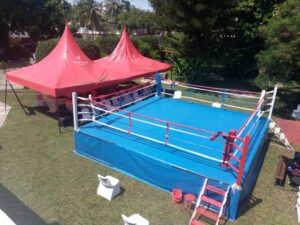
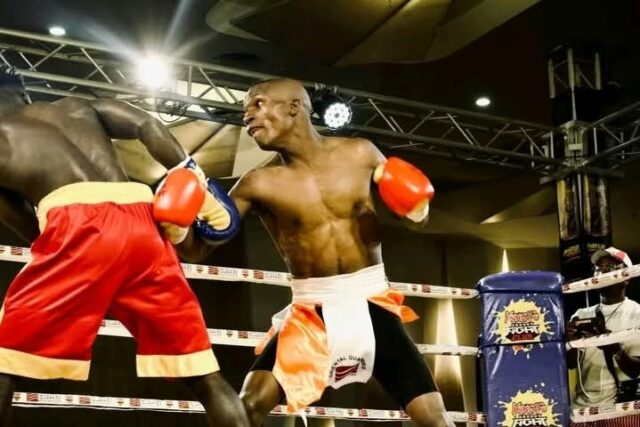
Countdown to the first ever AFBC Pro Boxing Contest in Tunis, Tunisia, January 24, 2025